Band 2 of 4Formality 7 and 817 dress codesUnited States edition
Formal Dress Codes
Formality 7 and 8 on the DressDex scale. Seventeen codes that all ask for tailoring, and disagree about almost everything else.
The ten point scaleEvery band, and where this one sits
- Casual7 codes
- Semi formal13 codes
- Formal17 codes, on this page
- Most formal4 codes
What the formal band means
This is the widest band on the scale and the one people ask about most, because it is where hosts stop giving instructions and start giving impressions. Formality 7 and 8 all assume the same foundation. A suit or a tailored jacket, a dress or separates cut with structure, real shoes, nothing that could be worn to a supermarket. What the seventeen codes here disagree about is everything built on top of that foundation. Some of them are evening codes and some are daytime. Some expect a tie and some quietly forbid one. Some are corporate and some are the opposite of corporate. The useful way to read this band is not as a ladder but as a set of four questions the invitation is answering for you. Is it evening or daytime. Is it office or social. Is it indoors in a city or outdoors in heat. And how much personality is the host inviting. Almost every code here is a particular set of answers to those four questions, and once you can see the answers the differences stop looking arbitrary.
The 17 codes in this band
Most formal first
- Black Tie Optional
Formality 8 of 10. Evening weddings and galas where the host wants tuxedos but will not insist. A dark suit is genuinely correct here.
- Business Formal
Formality 8 of 10. Law, banking, senior client meetings and formal corporate dinners. The strictest office code still in daily use.
- Creative Black Tie
Formality 8 of 10. Arts, media and fashion evenings. Black Tie structure with one deliberate departure, usually the jacket or the tie.
- Formal
Formality 8 of 10. A catch all that depends entirely on the hour. Read the start time and the venue before the word.
- Formal Chic
Formality 8 of 10. Fashion led evening events where the departure from convention is expected to come from cut rather than colour.
- Resort Formal
Formality 8 of 10. High end resort dining, country club evenings and destination weddings that keep formality but drop the heavy cloth.
- Summer Formal
Formality 8 of 10. Summer weddings and evening galas in heat. Formal structure in linen, tropical wool and lighter colours.
- Abito Scuro (Dark Suit)
Formality 7 of 10. An Italian invitation asking for a dark suit. Daytime or early evening, city rather than country.
- Beach Formal
Formality 7 of 10. Coastal and destination weddings on sand. Formality above the ankle and sense below it.
- Business Professional
Formality 7 of 10. The daily uniform in professional services firms. A suit or coordinated separates with more colour than Business Formal allows.
- Country Formal
Formality 7 of 10. Barn weddings, estate weekends and rural events. The same tailoring in tweed, moleskin and estate colours.
- Dress to Impress
Formality 7 of 10. A host asking for effort rather than for a garment. Usually Cocktail with the volume turned up.
- Elegant Attire
Formality 7 of 10. Sophisticated evening functions and fine dining where the host wants polish without naming a code.
- Lounge Suit
Formality 7 of 10. The British and Irish instruction for a suit and tie. A step above Business Attire and below Black Tie.
- Race Day Attire
Formality 7 of 10. Race meetings with enclosure rules. Check the meeting's own dress regulations, because hats and hemlines are enforced.
- Semi Formal
Formality 7 of 10. Despite the name this sits at 7. An evening event wanting a dark suit and a cocktail dress, not office wear.
- Tenue de Ville (City Dress)
Formality 7 of 10. The French instruction for city dress. A dark suit or a tailored day dress, worn in town during daylight.
The number is where the code sits on the ten point scale. Each name opens that code and its plates.
How the codes inside it differ
The evening codes cluster at the top. Black Tie Optional is the most common invitation in the whole band and it means exactly what it says, a dinner jacket is welcome and a dark suit is correct. Creative Black Tie asks for the same silhouette with one deliberate departure, usually a velvet jacket or a coloured bow, and it appears where the guests work in the arts or in fashion. Formal Chic sits beside it and asks for the departure to come from cut rather than from colour. Summer Formal and Resort Formal keep evening formality but change the cloth, moving to linen, tropical wool and lighter colours. Beach Formal goes further and takes the shoes off the hard ground, which is why it sits a step lower. The daytime codes run alongside them. Morning formality is covered a band above, but Tenue de Ville and Abito Scuro are the European daytime instructions for a dark suit, and Lounge Suit is the same idea written in British. Country Formal moves the same suit into tweed and estate colours. Race Day Attire is its own animal, a daytime code with a hat rule and an enclosure rule that changes by meeting. Then there are the office codes. Business Formal is the strictest of them, a dark suit and a conservative shirt in the environments that still expect one, and Business Professional is a half step down that permits more colour and a wider range of separates. Corporate wardrobes and social wardrobes rarely serve each other well at this level, and the invitation almost always tells you which one it wants. Finally there are the vague ones. Formal, Elegant Attire and Dress to Impress all land here, and all three are hosts describing a feeling rather than a garment. For those, read the venue and the hour before you read the words.
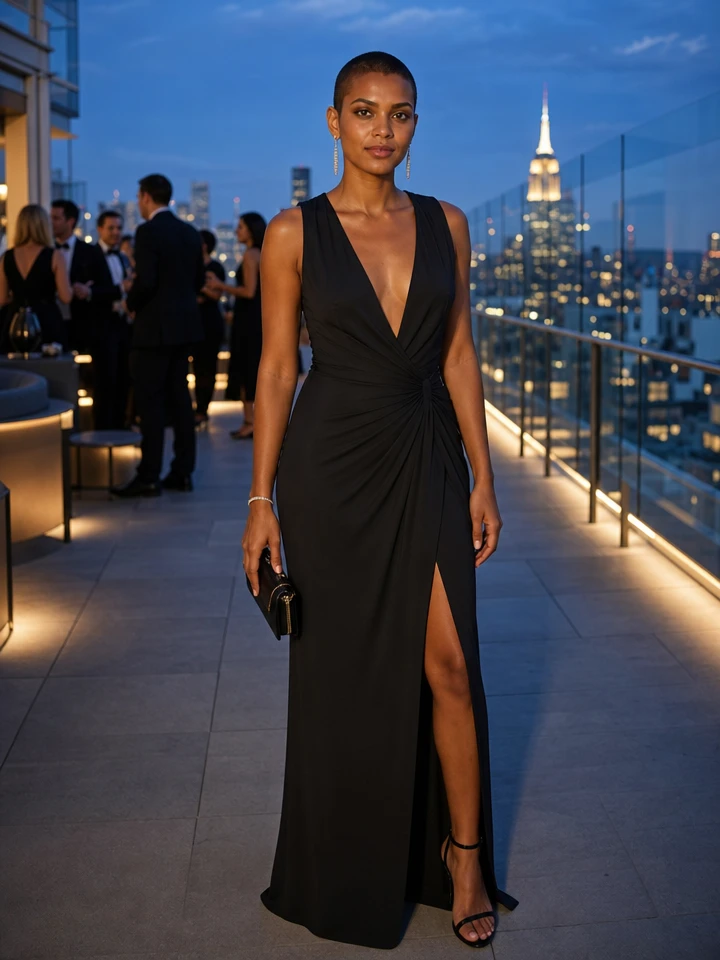
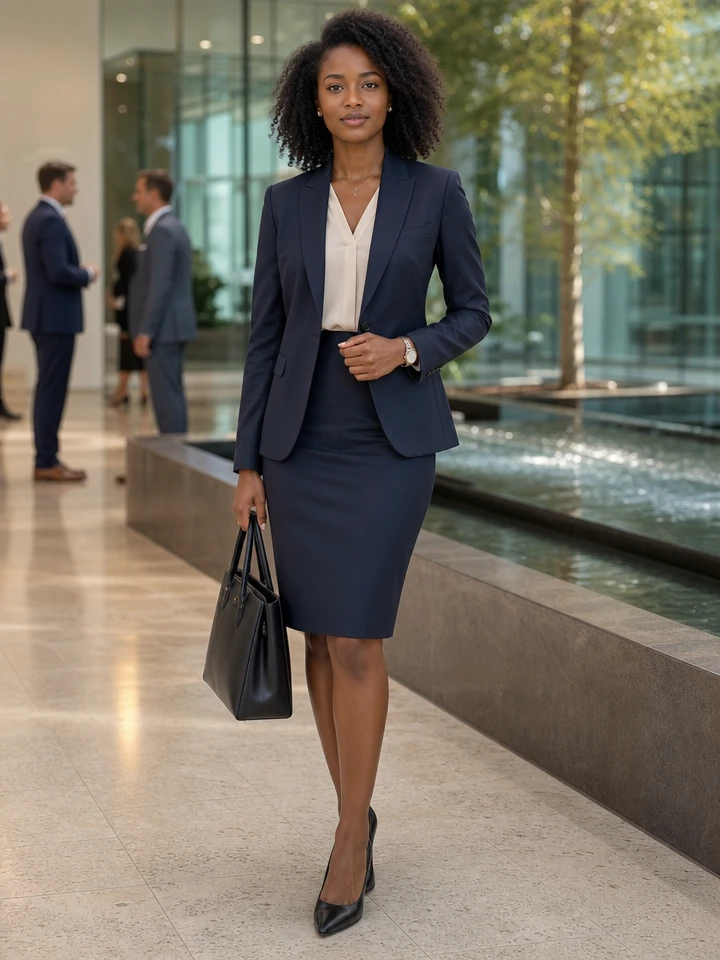
The code called Semi Formal is in this band
This catches people out often enough to be worth its own paragraph. The dress code written on invitations as Semi Formal sits at formality 7, inside this band, and not in the semi formal band lower down the scale. The name is a historical accident. It once meant one step below full evening dress, which is to say a dinner jacket rather than a tailcoat, and that reading has never quite died. So when an American host writes Semi Formal for an evening wedding they usually mean a dark suit and a cocktail dress, which is genuinely formal, and not the smart office wear the phrase suggests to a modern ear. The practical rule is to treat the words Semi Formal as an instruction to dress at the top of what you would consider smart, not the bottom. If the event is in the evening, in a hotel or a private room, and the invitation carries a start time after six, read it as one step below Black Tie Optional. If it is a daytime work function, read it closer to Business Professional. The gap between those two readings is the reason this code produces more anxious questions than any other on the site.
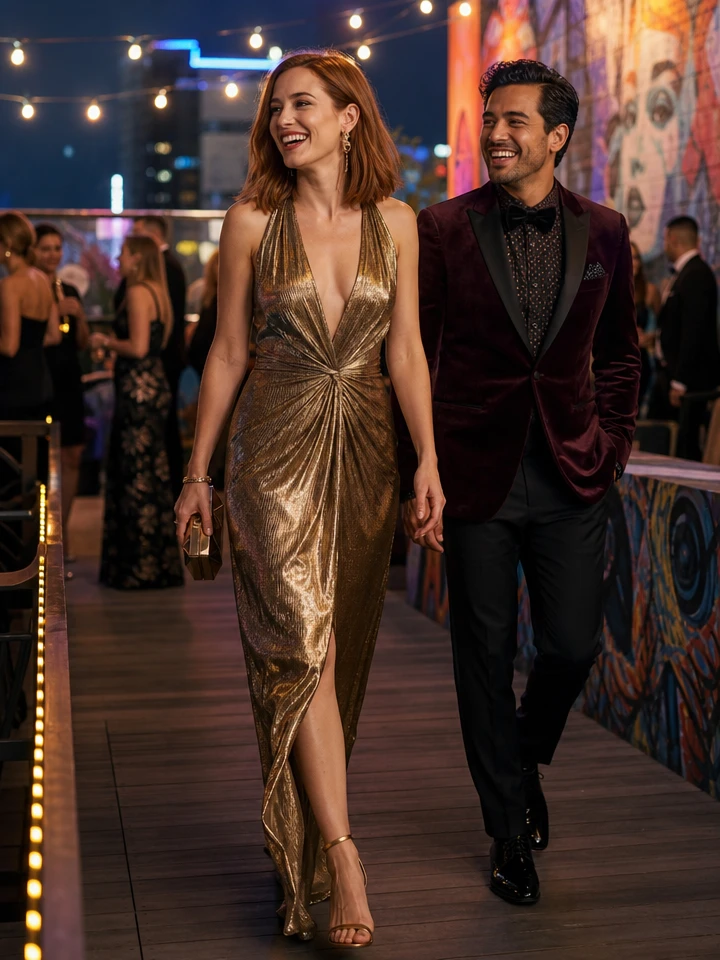
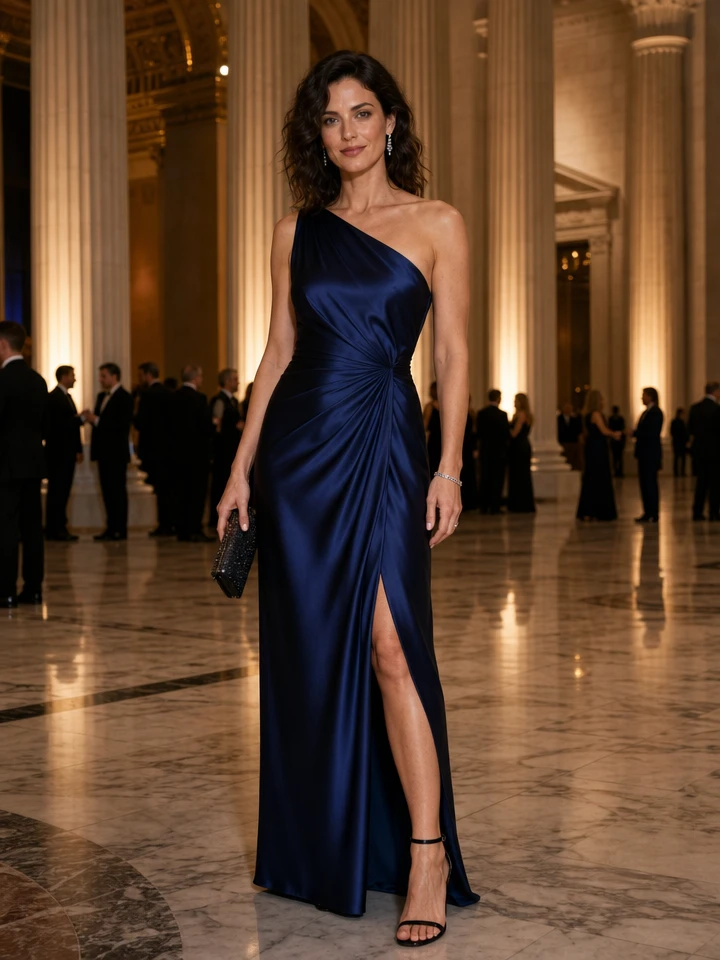
Moving up and down from here
Moving up from this band means moving into Black Tie, and the move is mechanical rather than a matter of degree. A dark suit does not become a dinner jacket by adding a bow tie, and the halfway outfit is the one that looks least considered. Either wear the dinner jacket or wear the suit properly. Moving down is far more common and far easier to get wrong, because the step from 7 to 6 is the step where a tie becomes optional and where the shoe can lose its lace. Cocktail, one band lower, keeps the dress and loses the suit's severity. If you are asked to go from a formal event to a semi formal one on the same day, the efficient answer is to build the outfit at the higher level and remove one thing rather than to change entirely. A tie comes off, a jacket stays on, and a formal outfit reads correctly at the level below. The reverse does not work. Adding a tie to an outfit built at 6 does not lift it to 8, because the cloth, the shoe and the cut are all still doing the lower job.
Where people go wrong
The commonest error in this band is reading a social code with an office wardrobe. A charcoal suit with a plain white shirt is exactly right for Business Formal and slightly funereal at an evening wedding that asked for Formal, where the same suit wants a softer shirt and a better tie. The second error is ignoring the venue. Beach Formal and Resort Formal both punish a hard leather sole and a heavy lining, and no amount of correctness in the jacket rescues an outfit that is visibly wrong for sand or humidity. The third is the tie question. At Creative Black Tie, Formal Chic and Dress to Impress a tie is often the wrong answer rather than the safe one, because those codes are asking for evidence that you made a decision. The fourth is the hat rule at Race Day Attire, which is not a suggestion in the enclosures that print it. The fifth is fit again, which at this level shows up mostly in the shoulder and the trouser break, and which is worth a tailor's forty minutes on any jacket you expect to wear more than twice.
Which one you needRead the line on the left, take the code on the right
- The invitation says Black Tie Optional and the event is in the evening
- Black Tie Optional
- It is a work event and the firm expects suits every day
- Business Formal
- The words Semi Formal appear on an evening wedding invitation
- Semi Formal
- The ceremony is outdoors on sand or in serious heat
- Beach Formal
- The invitation is European and asks for a dark suit
- Abito Scuro (Dark Suit)
- You are going to a race meeting with printed enclosure rules
- Race Day Attire
Frequently asked
Does a formal dress code always mean a dark suit?
In the evening, yes, and navy or charcoal will carry every evening code in this band. In daylight the answer opens up. Country Formal expects earth colours and tweed, Summer Formal and Resort Formal expect lighter cloth, and Tenue de Ville and Abito Scuro are the two that specifically ask for dark. The reliable rule is that the later the event, the darker and smoother the cloth should be, and the more daylight and outdoors involved, the more texture and colour the code will tolerate.
Can I go without a tie at a formal event?
It depends which of the four questions the code is answering. At Business Formal and Lounge Suit a tie is expected and leaving it off reads as careless. At Creative Black Tie, Formal Chic, Dress to Impress and Elegant Attire a tie is optional and often the wrong choice, because those codes are asking for a visible decision rather than for compliance. When you drop the tie, the collar has to do the work instead, so wear a shirt with enough structure to stand up on its own and keep the top button undone rather than two.
How long should a dress be for a formal dress code?
Cocktail length and midi both work across almost this entire band, and floor length is safe at the top of it for an evening event. What matters more than the hemline is the fabric and the finish. Crepe, heavy satin, velvet and structured jacquard read as formal at any length, while jersey and cotton read as casual even when the cut is elegant. For daytime codes such as Race Day Attire and Tenue de Ville, midi is the safer choice than floor length, and several race meetings publish a minimum hemline in their own rules.
Can one outfit cover a formal work day and a formal evening event?
Usually yes, if you build it at the evening end and dress it down for the office rather than the other way round. A navy suit in a smooth worsted with a fine shirt covers Business Professional in the morning and reads correctly at an evening event once you change the tie and the shoes. What does not work is starting from an office outfit in a textured or light coloured cloth and hoping a tie will lift it. Keep a second pair of shoes and a folded pocket square in a bag and the change takes two minutes.
What do I do when the invitation just says Formal?
Read the start time, the venue and the season, in that order, and let those decide. An evening start in a hotel, a private dining room or a marquee points at the top of this band, so a dark suit and a cocktail dress or gown. A daytime start in a garden, a club or a country house points lower and lets in texture and colour. If the venue has a website with photographs of previous events, that answers the question faster than any dress code guide can. And if you still cannot tell, dress one step above your guess. Being slightly overdressed at a social event is nearly invisible, while being underdressed is not.
The other bands
- The Most Formal Dress Codes
Formality 9 and 10 on the DressDex scale. Four codes where the invitation has already made almost every decision for you.
- Semi Formal Dress Codes
Formality 5 and 6 on the DressDex scale. Thirteen codes that ask you to look considered without asking for a suit.
- Casual Dress Codes
The bottom of the DressDex scale, plus the four codes that carry the word casual from a step above it. Seven codes where the cloth does all the work.
The DressDex letter
One note when a code changes or a new edition lands. No more than that.