Band 1 of 4Formality 9 and 104 dress codesUnited States edition
The Most Formal Dress Codes
Formality 9 and 10 on the DressDex scale. Four codes where the invitation has already made almost every decision for you.
The ten point scaleEvery band, and where this one sits
- Casual7 codes
- Semi formal13 codes
- Formal17 codes
- Most formal4 codes, on this page
What the most formal band means
A dress code lands in this band when the invitation has taken almost every choice away from you. Formality 9 and 10 is the territory of the tailcoat and the tuxedo, of floor length, of a specific shirt, a specific shoe and a specific hour of the day. Four codes sit here. Three of them are evening codes and one of them belongs to the daytime, and that single distinction is the most useful thing in the whole band, because the mistake people make at this level is almost never about the quality of what they wore. It is about the hour the garment was made for. What these four share is that the host has already told you what to bring. Nobody writes White Tie hoping to see your interpretation of it. At this level a code is closer to a specification than to a suggestion, and reading it as a suggestion is what produces the guest who is visibly the least formal person in the room. If you are unsure whether an invitation belongs in this band, look at what it actually asks for rather than at how expensive the event sounds. A five hundred dollar ticket does not make an event White Tie, and a village hall wedding at eleven in the morning can genuinely be Morning Dress.
The 4 codes in this band
Most formal first
- White Tie
Formality 10 of 10. State dinners, a handful of hereditary and debutante balls, and the rare gala that still asks for it. If the invitation does not say White Tie, it is not White Tie.
- Black Tie
Formality 9 of 10. Evening events beginning at or after six. Galas, awards dinners, museum benefits and weddings with an evening ceremony.
- Morning Dress
Formality 9 of 10. Formal daytime occasions, almost always a wedding before five or a ceremony with a printed order of service. The one code in this band that is wrong after dark.
- Tenue de Soirée (Evening Wear)
Formality 9 of 10. A European invitation asking for evening wear. Read it as Black Tie unless the host has written something looser beside it.
The number is where the code sits on the ten point scale. Each name opens that code and its plates.
How the four codes differ
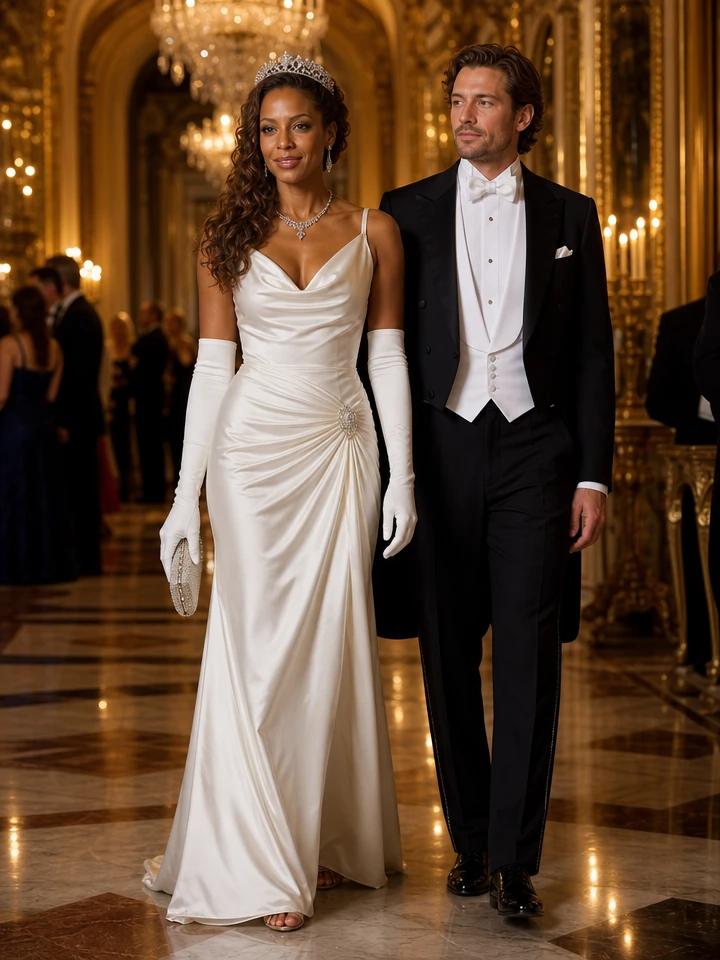
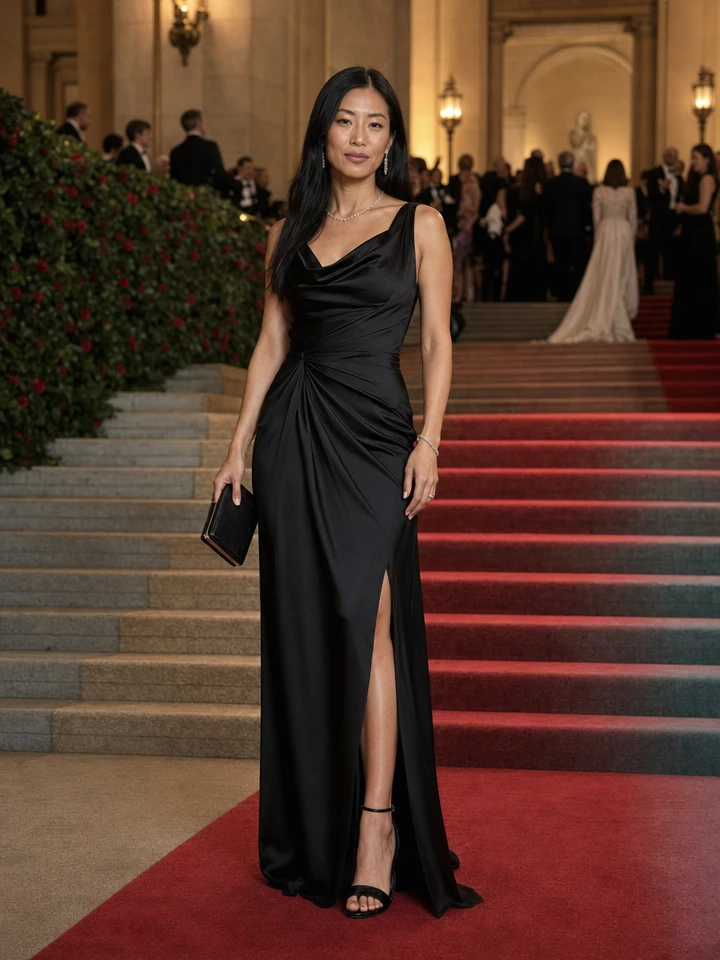
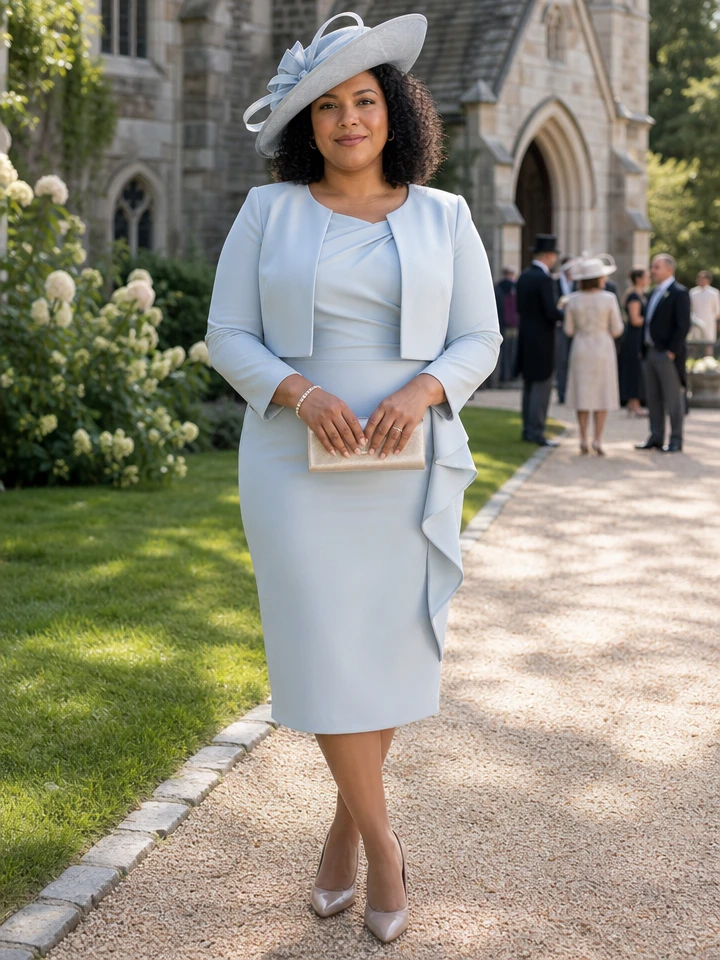
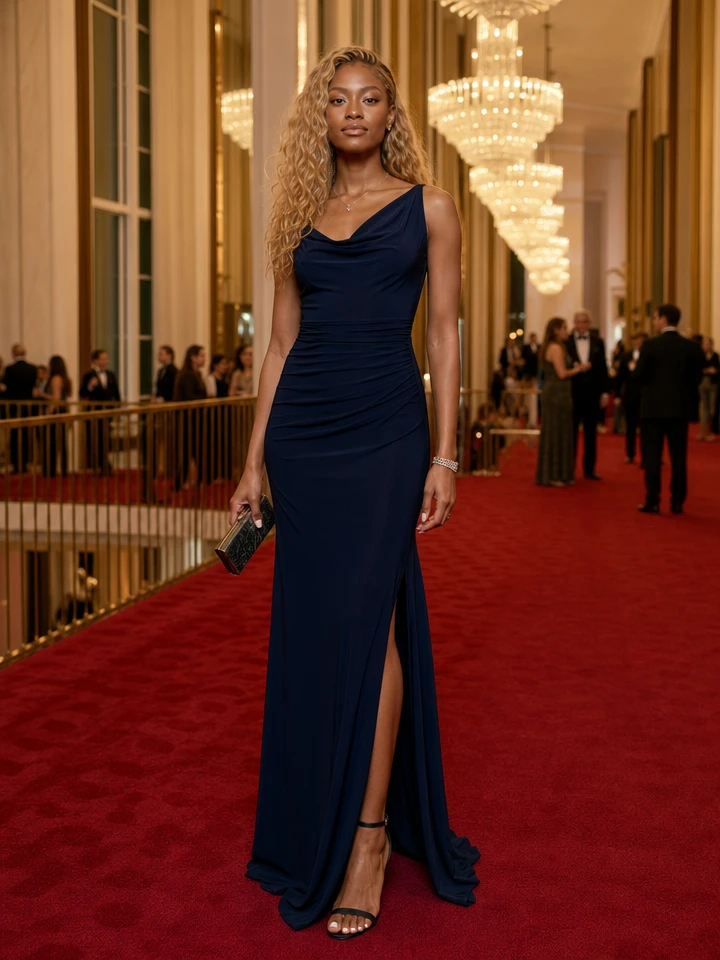
White Tie is the ceiling. A black tailcoat that is cut away at the front and never buttons, a white piqué waistcoat, a white winged collar shirt, a white bow tie, and on the other side of the room a floor length gown, usually with gloves. It is worn after six in the evening and almost nowhere else. Black Tie is the code most people in this band will actually meet. A dinner jacket with a satin or grosgrain facing, a black bow tie you tie yourself, a pleated or piqué shirt, and a gown or a very formal cocktail length dress. It is also an evening code, and the same invitation written for the afternoon would be wrong. Morning Dress is the daytime opposite number. A morning coat with tails, striped or checked trousers, a waistcoat and usually a top hat, worn with a day dress and a hat rather than a gown. It is the code for a wedding that begins before five, and it is the code people most often confuse with Black Tie because both involve tails. Tenue de Soirée is not a fourth garment at all. It is a French line on an invitation that translates as evening wear, and in practice it asks for Black Tie unless the host has written something more specific beside it. Reading it as a licence to improvise is the usual error. When a European host wants something looser they write it in words, and the fact that they reached for the formal phrase is the instruction.
Moving up and down from here
Very few people move upward out of this band, because there is nowhere above White Tie to go. The movement that matters runs downward, and it happens in two steps. The step below Black Tie is Black Tie Optional, which sits at 8 and genuinely permits a dark suit. The two lines are not the same instruction and hosts write the second one far more often, so read the invitation twice before you assume you have been let off. Below that sits Formal and its relatives, where a dark suit stops being a concession and becomes the expected answer. Moving down from Morning Dress works differently, because the daytime formal ladder is short. Under Morning Dress there is really only a dark suit worn well, which is what Lounge Suit and Tenue de Ville describe. There is no daytime equivalent of the dinner jacket, so a guest who cannot get hold of a morning coat should reach for the best plain dark suit available rather than for anything with a satin facing. Reaching sideways into evening wear during the day is the one move that reliably looks worse than being underdressed. If an invitation in this band leaves you genuinely stuck, ask the host what the other guests are wearing. At this level of formality that question is normal and hosts expect it, which is not true further down the scale.
Where people go wrong
The first mistake is the clip on bow tie. At Black Tie and above the tie is meant to be tied, and the difference is visible from across a room because a tied bow is never quite symmetrical. The second is the black suit standing in for a dinner jacket. A suit in black worsted has no satin facing on the lapel, no braid down the trouser and the wrong buttons, and under ballroom lighting it reads as flat and slightly dusty next to real evening cloth. If a dinner jacket is out of reach, midnight blue is the better rescue than black. The third is the daytime error already described, wearing evening formality to a ceremony that begins at noon. The fourth is footwear. This band expects a patent or highly polished leather shoe with a thin sole, and a heavy welted brogue undoes an otherwise correct outfit at the ankle. The fifth is fit, which matters more here than anywhere else on the scale, because these garments are cut close and structured and any excess cloth is obvious. A rented dinner jacket that has been taken in at the waist beats an owned one that has not, every time, and most rental shops in a large city can do that within a week.
Which one you needRead the line on the left, take the code on the right
- The invitation says White Tie or full evening dress
- White Tie
- The invitation says Black Tie and the event starts after six
- Black Tie
- The ceremony begins before five in the afternoon and the invitation says formal
- Morning Dress
- The invitation is European and says Tenue de Soirée
- Tenue de Soirée (Evening Wear)
Frequently asked
Can I wear a black suit to a Black Tie event?
It is the most common substitution and it is visibly a substitution. A dinner jacket has a satin or grosgrain lapel, a braid down the trouser and covered buttons, and a plain black suit has none of those, so under evening lighting it reads flat next to the real thing. If a tuxedo is genuinely out of reach, a very well fitted midnight blue suit with a black bow tie and a crisp white shirt is the better rescue, because midnight blue photographs closer to evening cloth than black does. Renting is usually cheaper than buying the rescue outfit anyway.
What is the difference between Morning Dress and Black Tie?
The hour. Morning Dress is the daytime formal code and Black Tie is the evening one, and the two are not interchangeable even though both involve tails on one side of the wardrobe. Morning Dress means a morning coat, striped or checked trousers and a waistcoat, worn with a day dress and usually a hat. Black Tie means a dinner jacket and a gown. If the ceremony starts before five in the afternoon and the invitation asks for high formality, it is Morning Dress that is being asked for.
Does the most formal band always require a floor length gown?
At White Tie, effectively yes, and gloves are common. At Black Tie there is more room than people expect. A floor length gown is the safest reading, but a very formal cocktail length dress in an evening fabric is accepted at most American and Australian Black Tie events and at a good number of British ones. The fabric matters more than the hemline. Duchess satin, velvet, heavy crepe and beaded work all read as evening. A dress in a daytime cotton reads as daytime whatever its length.
Is it acceptable to rent for an event in this band?
Yes, and in most cities it is the sensible answer. These are garments most people wear a few times in a life, and a rented dinner jacket that has been altered to fit beats an owned one that has not. Book about two weeks out so there is time for the alteration, take your own shirt if you can, and replace the rental bow tie with one you tie yourself. Rental shoes are the one part worth avoiding, because a thin soled patent shoe in the wrong size will end the evening early.
The invitation says Black Tie Optional. Is that in this band?
No, it sits one step below at formality 8, and the difference is the whole point of the word. Black Tie tells you to wear a dinner jacket. Black Tie Optional tells you that a dinner jacket is welcome and a dark suit is also correct, which is a genuine permission and not politeness. Hosts in the United States write the optional form far more often than the plain one, so read the line twice. If you own or can rent a dinner jacket you will never be wrong wearing it, and if you cannot, a dark suit with a conservative tie is exactly what the host said they would accept.
The other bands
- Formal Dress Codes
Formality 7 and 8 on the DressDex scale. Seventeen codes that all ask for tailoring, and disagree about almost everything else.
- Semi Formal Dress Codes
Formality 5 and 6 on the DressDex scale. Thirteen codes that ask you to look considered without asking for a suit.
- Casual Dress Codes
The bottom of the DressDex scale, plus the four codes that carry the word casual from a step above it. Seven codes where the cloth does all the work.
The DressDex letter
One note when a code changes or a new edition lands. No more than that.