WEDDINGS · 21 DRESS CODES
What to Wear to a Wedding
Twenty one dress codes a wedding invitation can name, read in one place. What each one asks for, how they differ, and what to do when the invitation says nothing at all.
How to read this
The 21 codes below are the ones a wedding invitation or handbook is most likely to name, listed most formal first. The number beside each one is where it sits on the ten point scale.
Formality
Formality 5 through 9, the range these codes cover on the ten point scale.
How to read a wedding invitation
Wedding invitations often name a dress code, and working out what the words actually mean is the hard part. Whether the card says Black Tie Optional, Semi Formal or Cocktail Attire, the goal behind all of them is the same. Look polished and celebrate the couple without upstaging them. Everything else on this page is detail hung on that one sentence. Before you read a single code, take three things off the invitation. The time of day, because a ceremony at two in the afternoon and a ceremony at seven in the evening are asking for different weight and different colour. The venue, because a cathedral, a vineyard and a beach club each move the same named code a step in their own direction. And the season, because a code written for a July garden and the same code written for a November ballroom produce two different outfits from the same three words. Read the code last. It is the label on a decision the couple already made, and the other three lines tell you which version of that label they meant.
Formal and Black Tie Optional weddings
For a Black Tie Optional wedding a dark suit or a tuxedo works for masculine styles, and a floor length or midi dress in a rich fabric is the feminine answer. Stick to dark and muted tones for an evening ceremony and lighter shades for a daytime one. Optional is the word people misread. It does not mean the code is soft. It means the couple will be delighted if you wear a dinner jacket and will not think less of you if you wear a very dark suit with a white shirt and a proper tie. What it never means is a business suit in mid grey with a patterned shirt. Black Tie without the word optional removes the choice, and a dinner jacket becomes the answer rather than one of two. Formal sits alongside both and is the code a couple reaches for when the venue is grand and the hour is late but nobody wants to ask a hundred guests to hire evening wear. Morning Dress is the daytime relative of all of them, still worn at some church weddings in Britain and Ireland, and it is the one code here where turning up in evening clothes is a visible error rather than a matter of degree.
Creative Black Tie and the fashion led codes
Some couples want the weight of a formal wedding without the uniform that comes with it, and a small family of codes exists to say so. Creative Black Tie keeps every structural element of Black Tie and licenses one deliberate departure, so a velvet dinner jacket, a coloured bow tie or a fashion led gown all read correctly while an ordinary business suit still does not. Formal Chic asks for the same formal foundation with a modern edge, and it turns up most often at stylish city weddings where the guest list skews younger. Dress to Impress is the least precise of the three and the easiest to overthink. It sets Cocktail as the floor and invites you to be memorable above it, so one strong choice carried well beats three competing ones. Evening Wear is the quiet member of this group, a flexible instruction for anything starting after six that asks for more sophistication than daytime clothes without naming a level. Read it as a dressier Cocktail unless the venue is a ballroom, in which case read it upward. What all four are testing is judgement rather than budget, and a guest who commits to a single idea photographs better than a guest who hedges.
Semi Formal and Cocktail weddings
Semi Formal is the most common wedding dress code. Think a tailored suit without a tie, structured separates, or a cocktail length dress. This is the band where a pop of colour or an interesting texture earns its place, and where the outfit still has to read as considered rather than merely smart. Cocktail Attire is its close neighbour and the two get used interchangeably by hosts who mean slightly different things. Cocktail leans shorter, evening and social. Semi Formal leans toward a suit and works as easily at three in the afternoon as at eight at night. If the invitation names one and the reception starts before five, read it as the daytime version of itself and drop the sequins. Elegant Attire and Elegant Casual are what a couple writes when they want the room to look considered without naming a garment at all, and both belong in this band. Lounge Suit is the same instruction in British and Irish phrasing, and it means exactly what it says, which is a suit. A guest who owns one good dark suit, one white shirt and one pair of leather shoes can clear every code in this paragraph without buying anything.
Invitations that name a European code
A wedding invitation written in Europe, or written by a couple who want the room to read as continental, often names its code in Italian or French rather than English. Abito Scuro is the Italian instruction and it translates as dark suit, which makes it sound softer than it is. It asks for a well cut suit in navy or charcoal, a plain shirt, and a tie that is not up for discussion, and the tailoring is expected to be visibly good rather than merely present. Tenue de Ville is the French equivalent and means city dress. It names a formal daytime occasion answered with a suit and a tie, so it appears at day weddings, at institutional ceremonies, and at the civil service that precedes a religious one. The trap in both terms is the everyday word inside them, because English speakers hear dark and city, think of the clothes they wear to work, and arrive dressed for a Tuesday. Read them as Lounge Suit with the standard raised rather than lowered. Neither code climbs by itself when the hour gets late either, so wait for the couple to name Black Tie before you wear one.
Daytime, garden and destination weddings
A wedding outdoors changes the fabric before it changes the code. Summer Cocktail and Garden Party are the two codes couples name most often for a marquee, a vineyard or a garden, and both are asking for lighter cloth, lighter colour and a shoe that will not sink into grass. A block heel, a wedge or a flat is the practical answer, and a stiletto is the one that ends the evening early. Beach Formal is the destination version and it is the most misread code on this page, because the word beach makes people think shorts and the word formal is the operative half. It means linen or a light wool, a long dress or a well cut shirt and trouser, and a real shoe or a leather sandal rather than a flip flop. Hats belong at daytime weddings in Britain, Ireland and Australia and rarely anywhere else, and if a hat is worn it comes off for the photographs and the meal. In every one of these codes, ask what the ground is made of before you choose the shoe. Resort Formal is what a destination wedding writes when the reception is the dressiest night of the trip, and it sits one step below Black Tie rather than anywhere near holiday clothes. A light coloured suit or a white dinner jacket, or a long dress in silk or fine crepe, and structure is the whole difference between it and something merely elegant. Summer Formal is its mainland cousin, a full Formal wedding with the heat designed in, so lighter cloth, open shoes and paler suiting hold the same standard at a bearable weight. Country Formal covers the barn, the estate and the wine country wedding, and it trades city polish for texture and earthy colour without dropping a level. All three fail in the same way, which is a guest who hears the setting and forgets the standard.
What to avoid as a guest
Never wear white or ivory as a guest, because that is reserved for the couple. Avoid casual fabrics such as denim or athletic wear even at a wedding described as casual. When in doubt it is better to be slightly overdressed than underdressed, because a guest who looks like they made an effort is never the story and a guest who looks like they did not always is. Beyond those, three mistakes account for most of the rest. The first is dressing for the ceremony and forgetting the reception, which is usually four hours longer, warmer and involves dancing. The second is a colour the wedding party is already wearing, which is worth one message to somebody who knows. The third is a shoe chosen for a photograph rather than a day, and it is the one guests regret most reliably. Read the couple's own instruction generously as well. A request for no black, or for a particular palette, or for cultural dress, is a real part of the code and outranks anything on this page.
How a wedding dress code shifts by market
The same three words on an invitation are read differently in different countries, and a wedding is where that gap is widest. British and Irish weddings still hold a strong daytime tradition, so Morning Dress survives at church weddings and hats are ordinary rather than theatrical. American weddings lean evening and lean Black Tie Optional, and the phrase carries a firmer expectation there than a British reader assumes. Australian and New Zealand weddings assume heat and outdoor ground for much of the year, so Cocktail and Summer Cocktail do the work that Semi Formal does elsewhere, and a linen suit genuinely clears the code. Singapore holds formal expectations inside a tropical climate, and a wedding there often runs to two changes of clothing and two sets of expectations across one day. In the United Arab Emirates a coverage expectation applies at every formality and is the first constraint rather than the last. Canadian weddings run into a real winter, so the coat and the arrival are part of the outfit rather than an afterthought. Use the editions strip at the top of this page to read any code below as your own market writes it.
The codes side by side
| Plate | Dress code | Formality | What it means | When it is used |
|---|---|---|---|---|
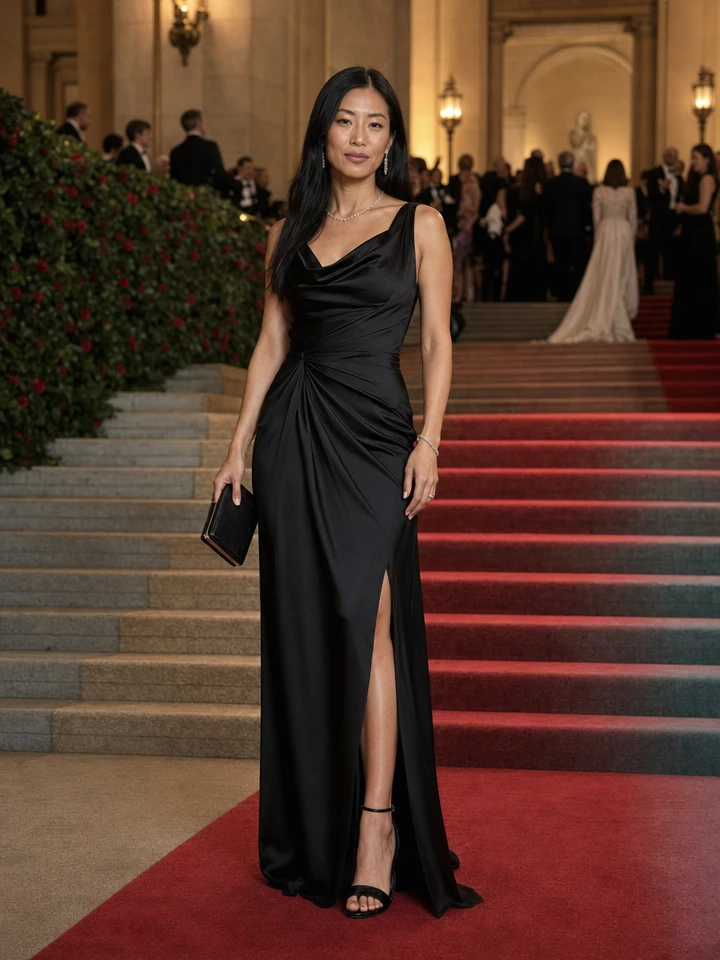 | Black Tie | 9 | The height of evening formality, signifying a sophisticated event where men wear a tuxedo and women wear a formal gown. | An evening wedding that has made the decision for you. A dinner jacket rather than a very dark suit. |
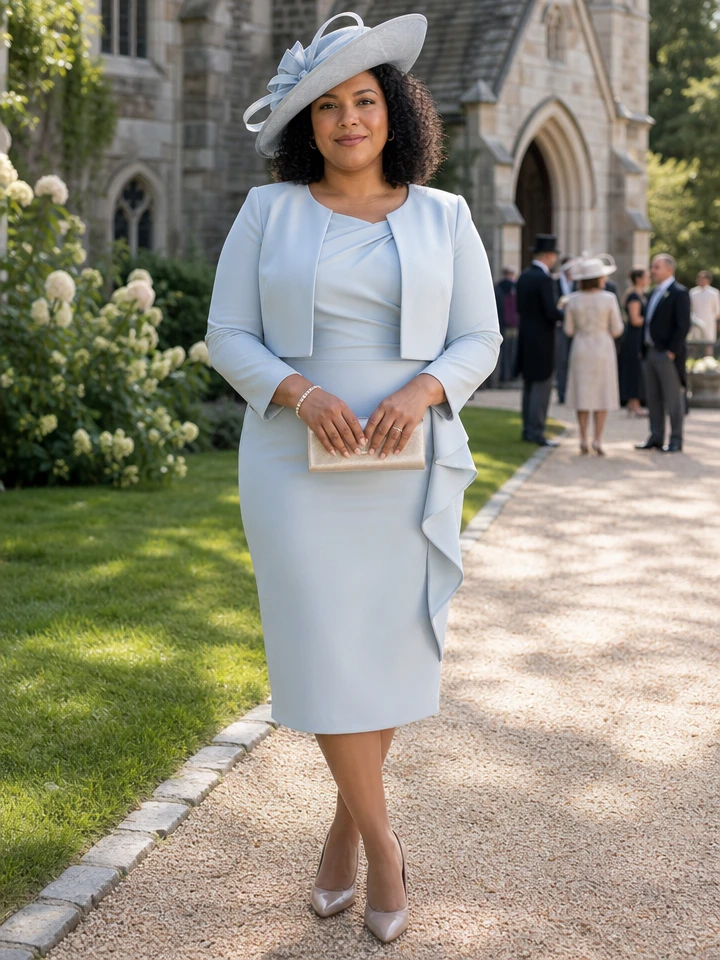 | Morning Dress | 9 | The most formal daytime dress code, traditionally worn for state occasions, diplomatic events, or very formal weddings. | Daytime church weddings in Britain and Ireland. The one wedding code where evening clothes are a visible error. |
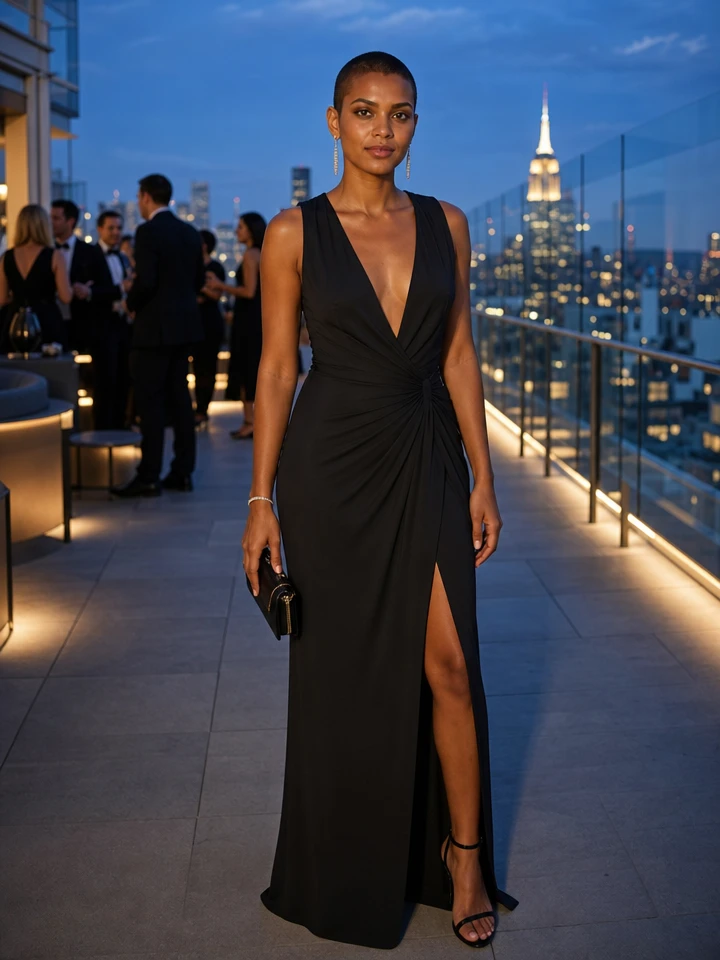 | Black Tie Optional | 8 | Guests are encouraged, but not strictly required, to wear Black Tie, offering flexibility for a formal suit. | The commonest formal wedding code in the United States. A tuxedo is welcome and a very dark suit is fine. |
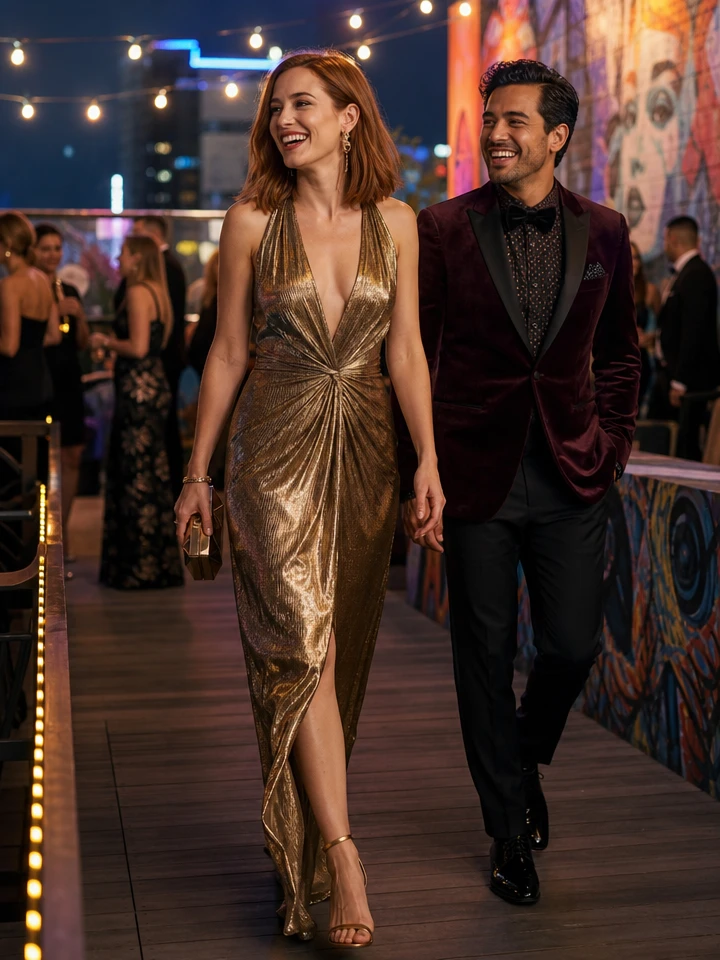 | Creative Black Tie | 8 | A modern, fashion forward version of Black Tie that encourages personal expression, color, and stylish deviation from tradition. | Arts and fashion weddings that want Black Tie with one deliberate departure. The structure stays. |
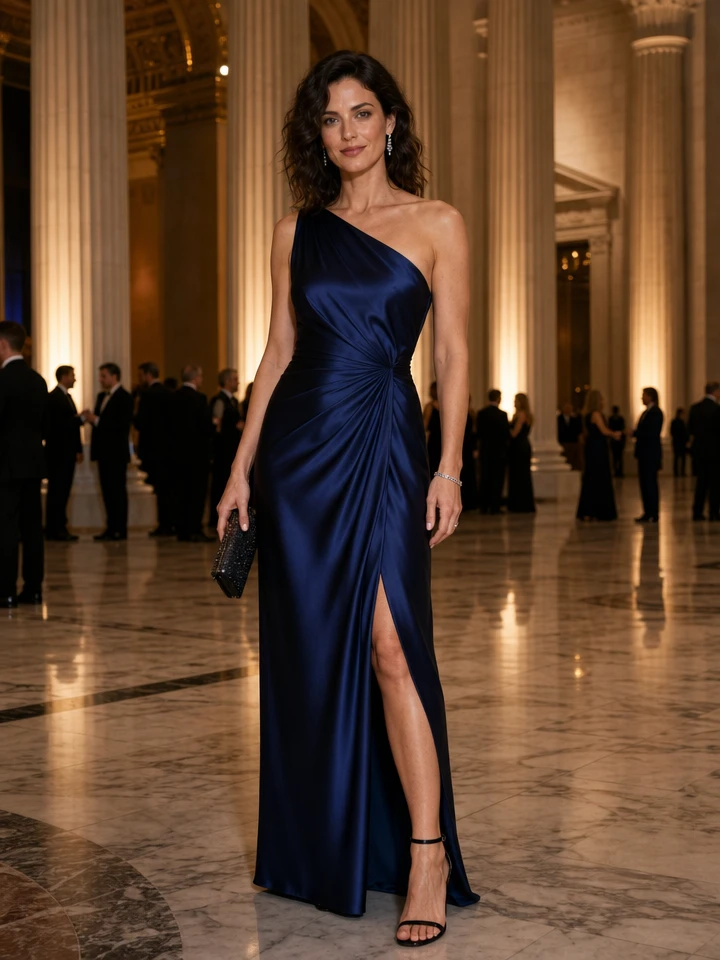 | Formal | 8 | A highly tailored and elegant dress code, often used interchangeably with Black Tie in the evening, but allowing for a high quality dark suit during the day. | A grand venue and a late hour, without asking a hundred guests to hire evening wear. |
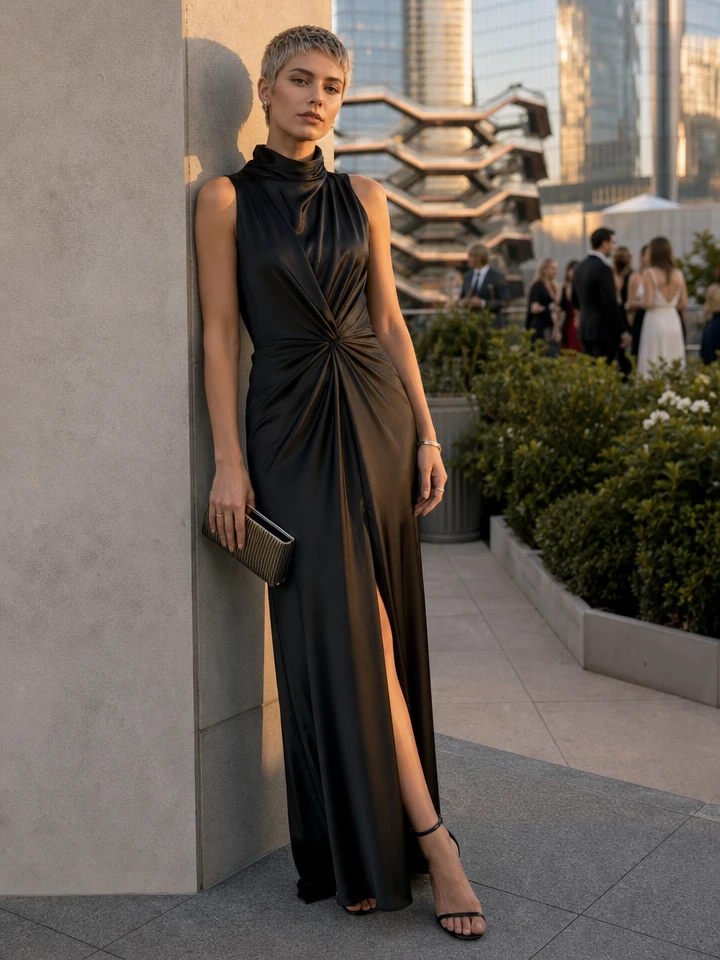 | Formal Chic | 8 | Combines the formality of Black Tie with an element of modern, high fashion flair and individuality. | Stylish city weddings with a younger guest list. A formal base worn with a modern edge. |
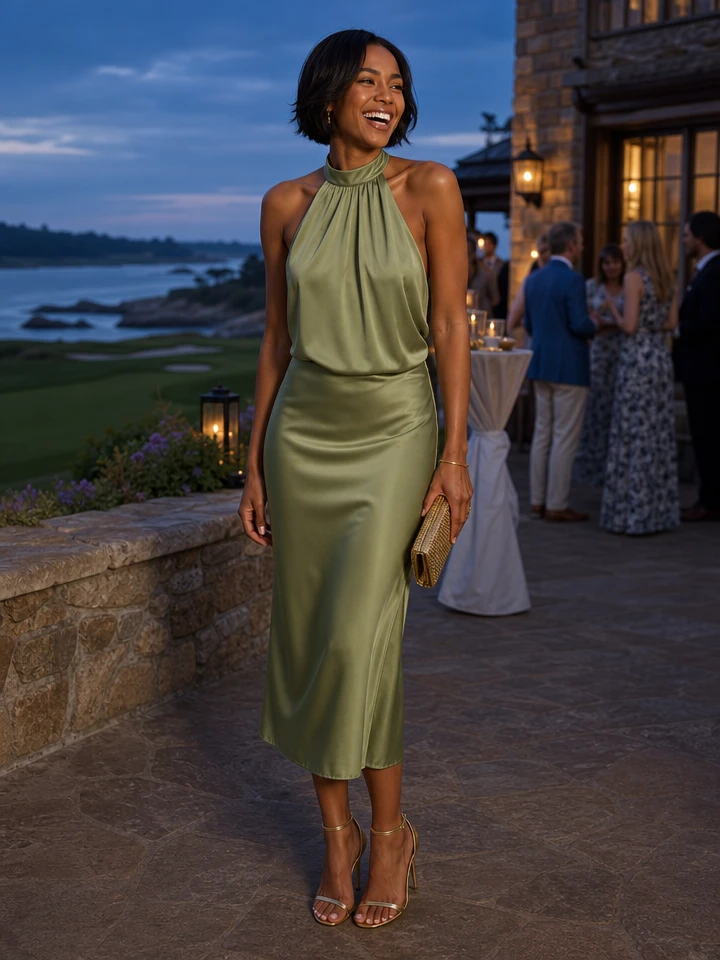 | Resort Formal | 8 | The dressiest level a warm weather venue asks for, formal in structure and finish but built from light cloth and lighter colour than a city evening. | The dressiest night of a destination wedding. One step below Black Tie in warm weather cloth. |
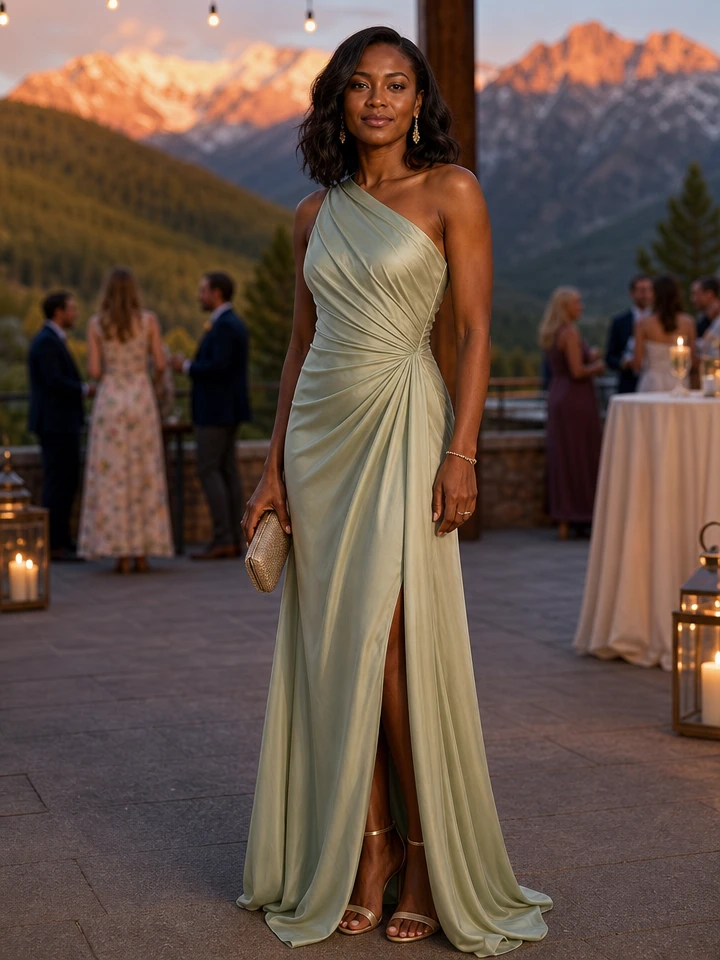 | Summer Formal | 8 | Full formality rebuilt for heat, so lighter cloth, lighter colour and open shoes, with the standard of polish left exactly where it was. | A full Formal wedding with the heat designed in. Lighter cloth holding the same standard. |
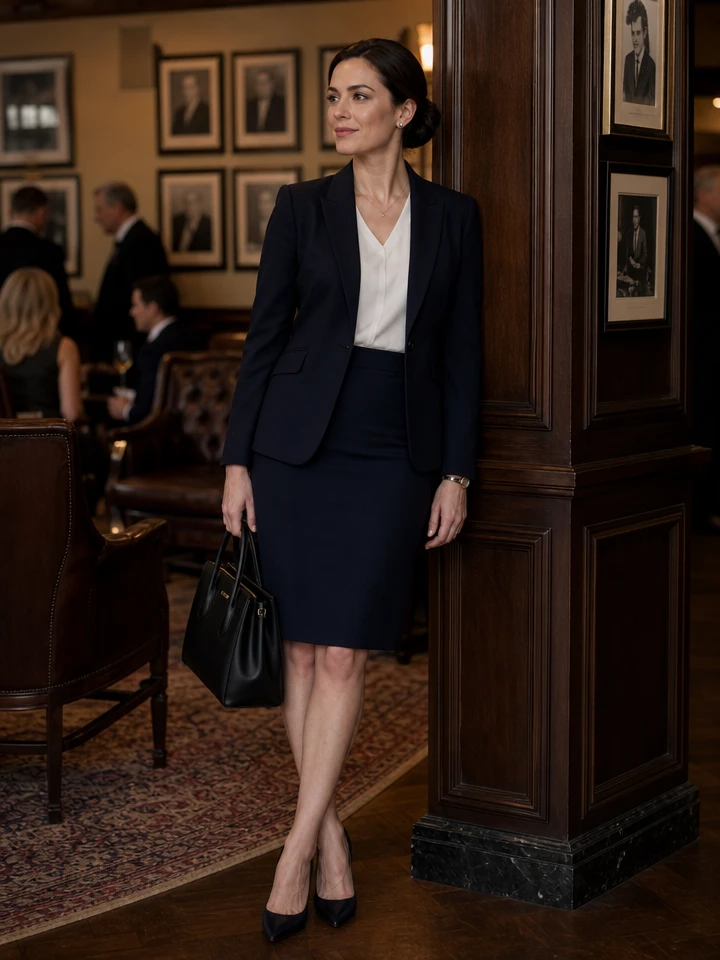 | Abito Scuro (Dark Suit) | 7 | A conservative European formality, strictly requiring a dark, well tailored business suit or its equivalent. | Italian invitations. A dark suit worn with a tie, cut well, and stricter than the words suggest. |
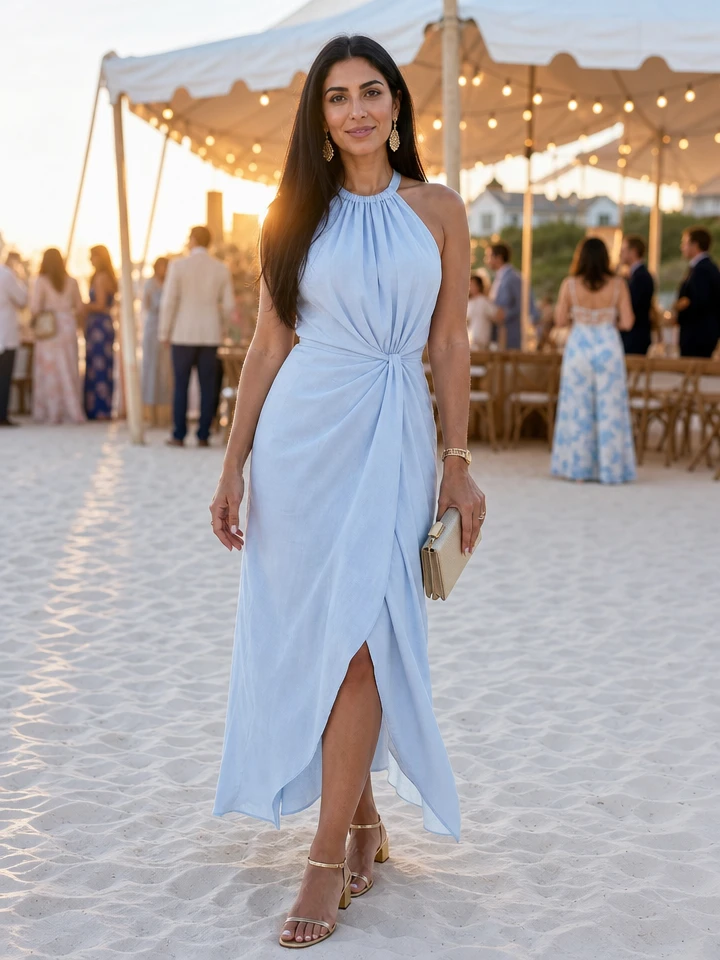 | Beach Formal | 7 | An oxymoron requiring formal elegance with a comfortable, natural fabric twist, suitable for sand and sun. | Destination and shoreline weddings. Light cloth and a real shoe, and the word formal is the operative half. |
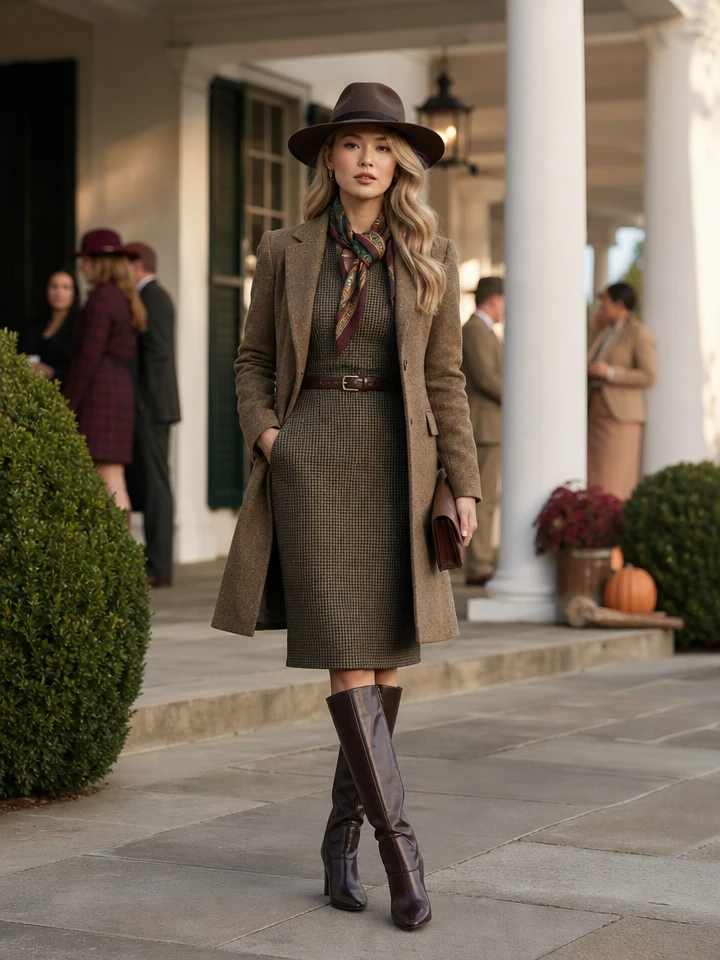 | Country Formal | 7 | A traditional, tailored, and sophisticated dress code for formal rural or regional events, often incorporating natural textures and a refined countryside aesthetic. | Barn, estate and wine country weddings. City formality rebuilt in texture and earthy colour. |
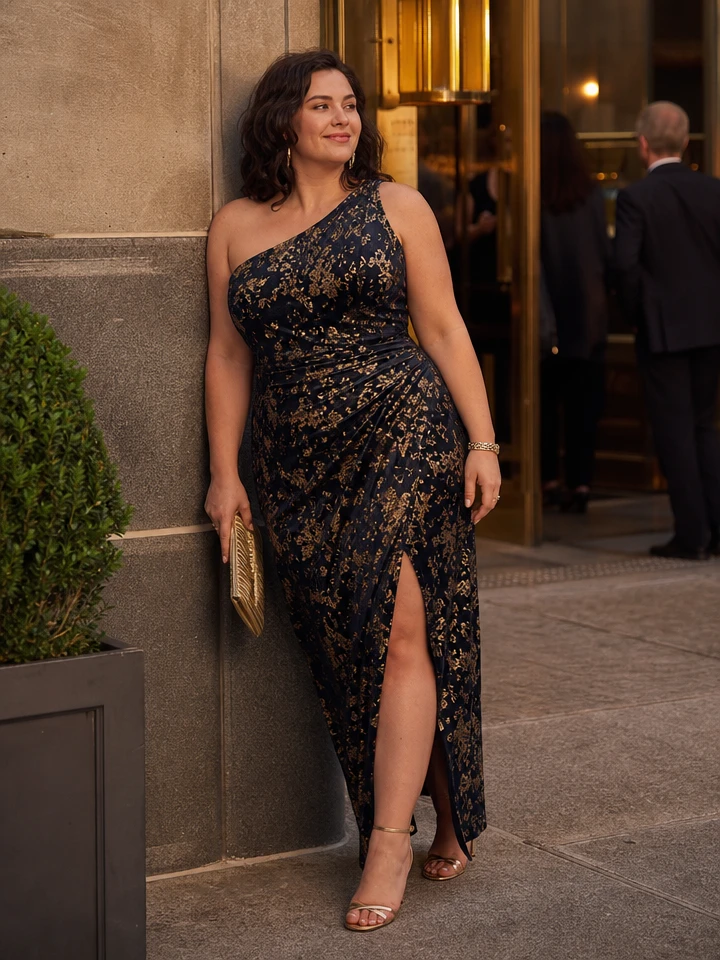 | Dress to Impress | 7 | An open ended request for a polished, memorable outfit whose formality comes from the event and venue. | Celebratory weddings that want personality. Cocktail is the floor and one strong idea is the answer. |
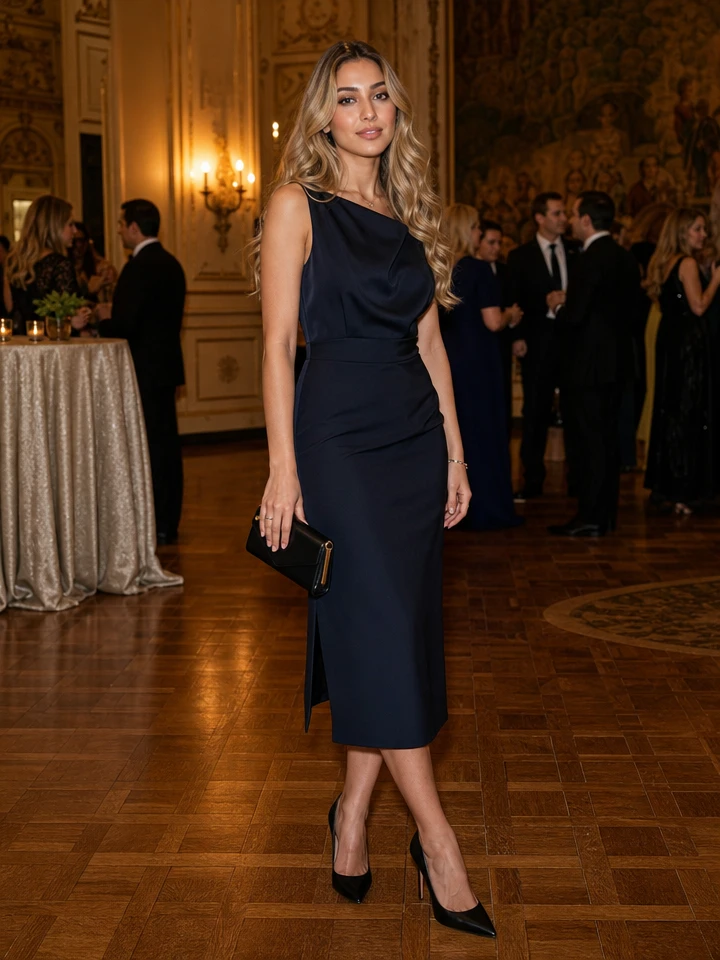 | Elegant Attire | 7 | Sophisticated, refined, and polished. A dress code that calls for high quality fabrics and impeccable styling, slightly below Formal. | What a couple writes when they want the room considered but will not name a garment. |
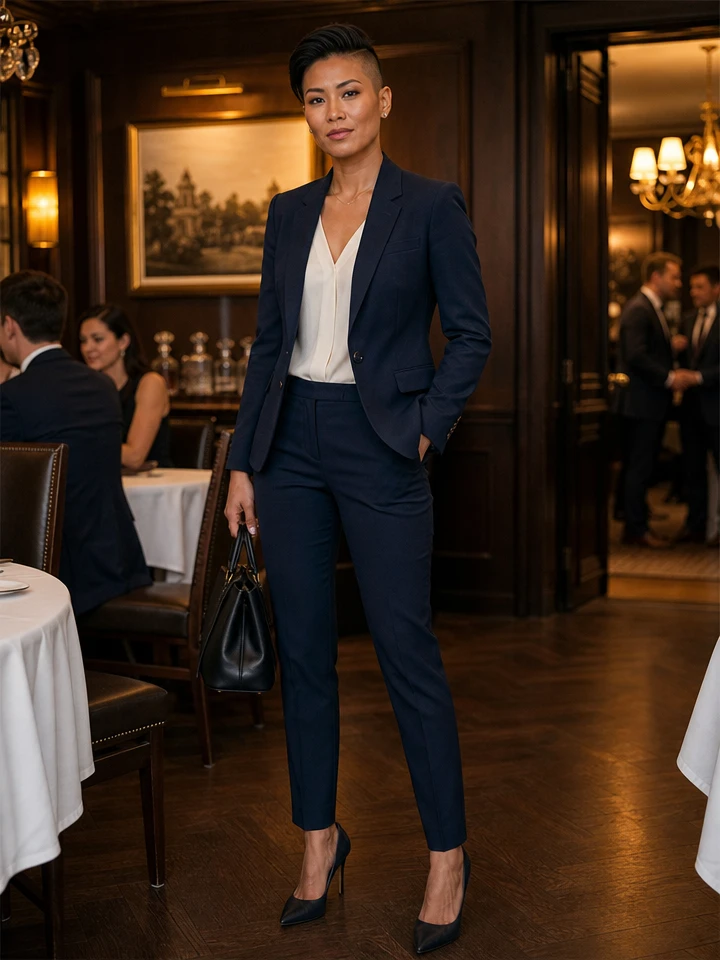 | Lounge Suit | 7 | A standard, dark colored business suit, typically used for daytime formal events, business meetings, or formal funerals. | British and Irish phrasing for a suit. Read it literally and wear one. |
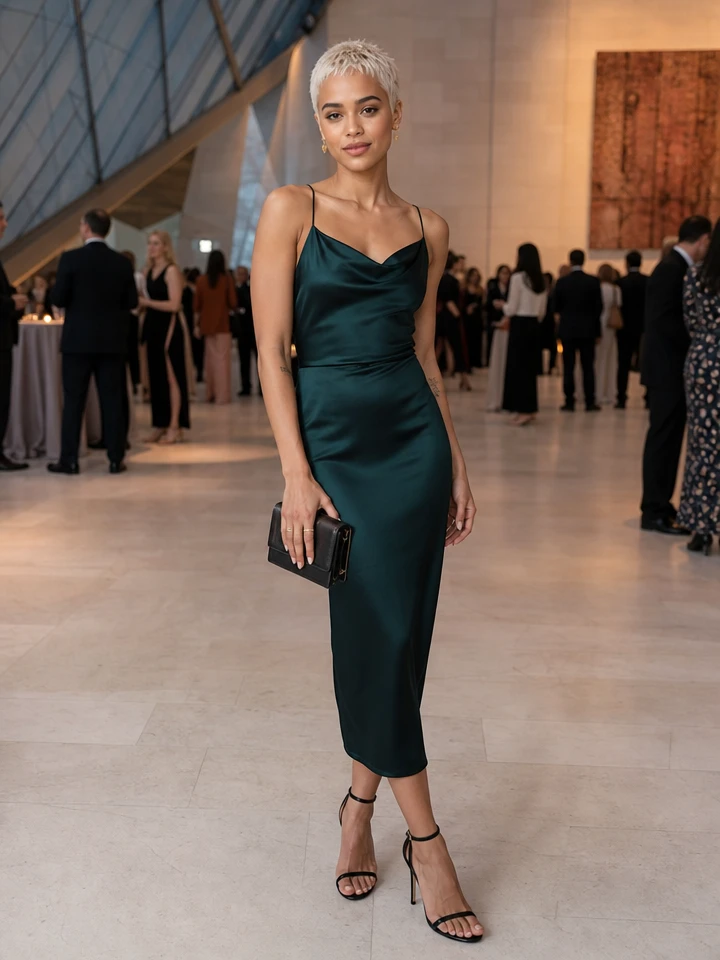 | Semi Formal | 7 | The step below Formal on an American invitation, met by a well cut dark suit and tie, or a knee to midi cocktail dress in a proper evening fabric. | The most common wedding dress code of all. A suit without a tie, or a cocktail length dress. |
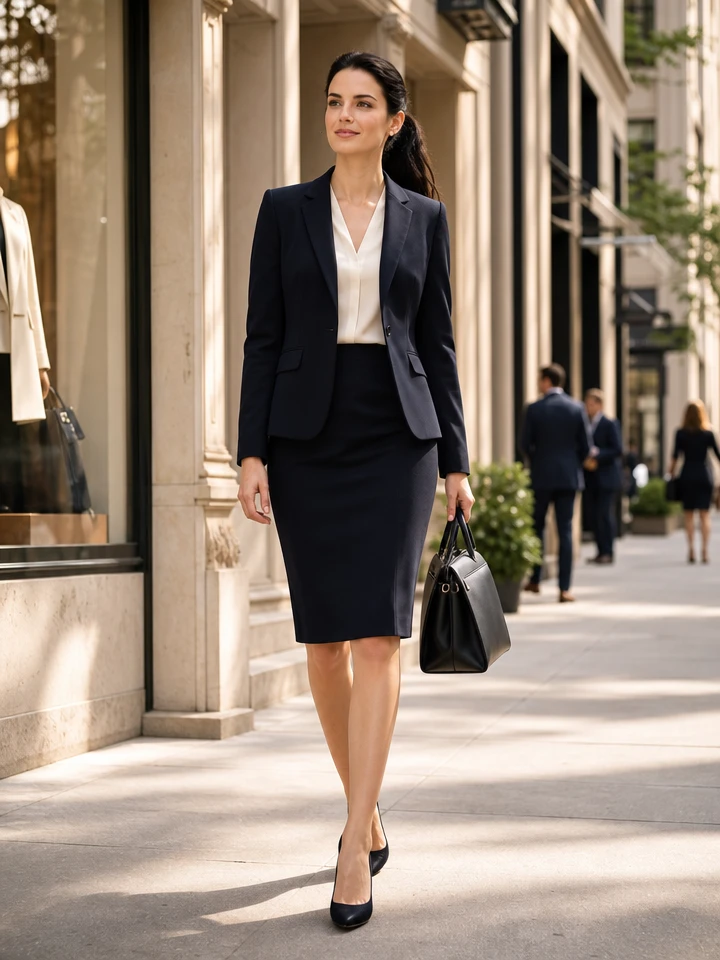 | Tenue de Ville (City Dress) | 7 | The French wording for formal daytime dress, read in America as a suit and tie occasion before six rather than as anything more elaborate. | French phrasing for a formal daytime wedding. A suit and a tie, and a late hour does not change it. |
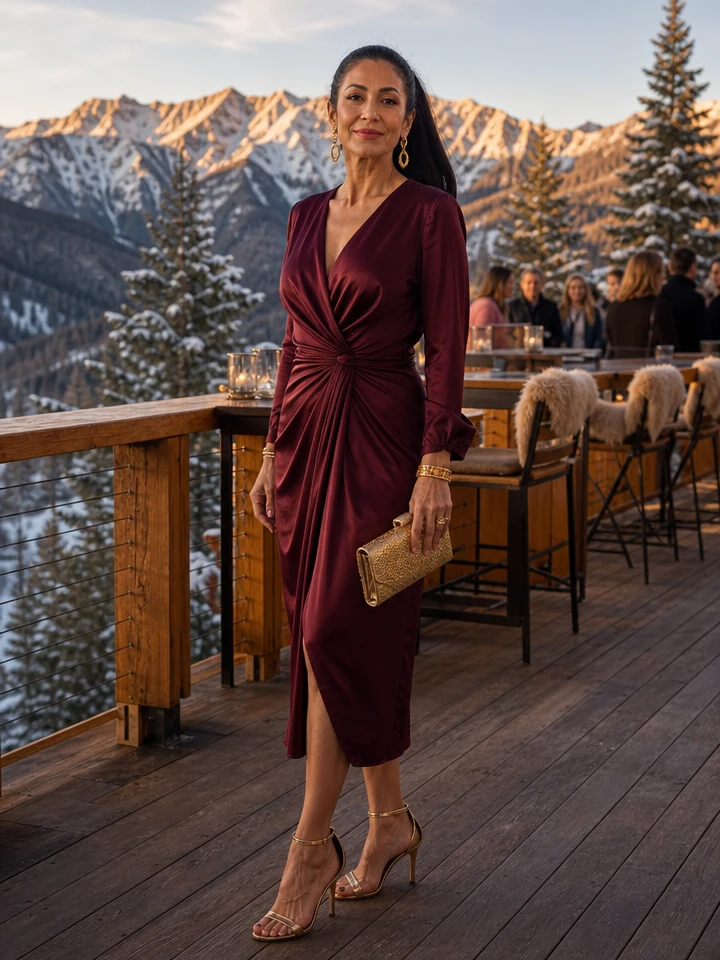 | Cocktail Attire | 6 | Elegant but not full length formal. Think polished, party ready, stylish, and festive. | Evening receptions that lean social. Shorter and sharper than Semi Formal at the same hour. |
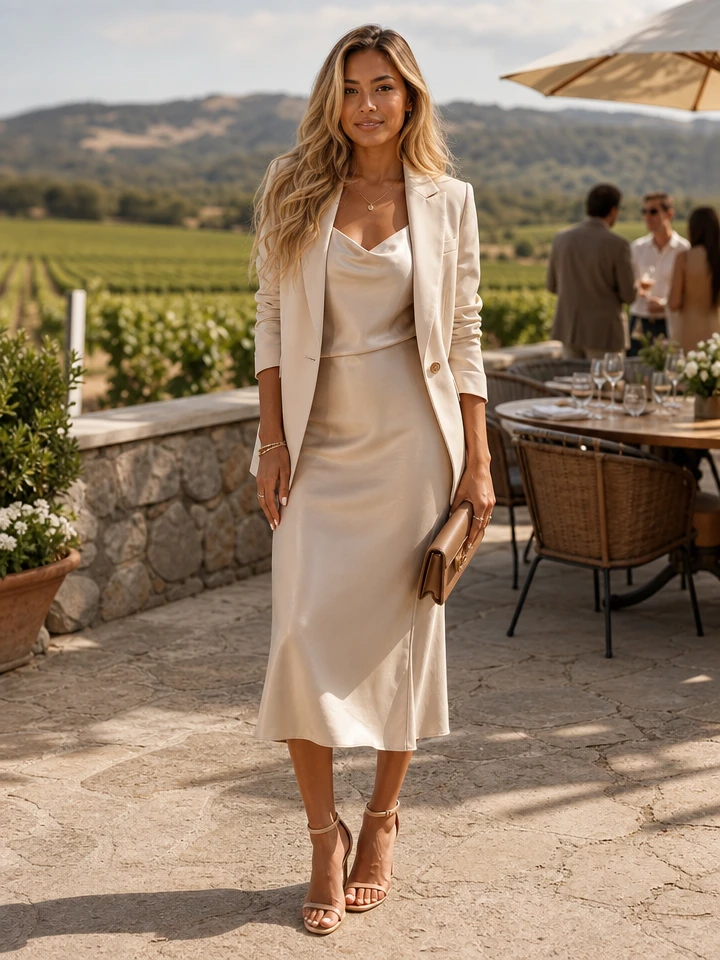 | Elegant Casual | 6 | A refined mix of comfort and sophistication. The appearance should be relaxed yet high end and polished. | Small and relaxed weddings that still want the photographs to hold up. |
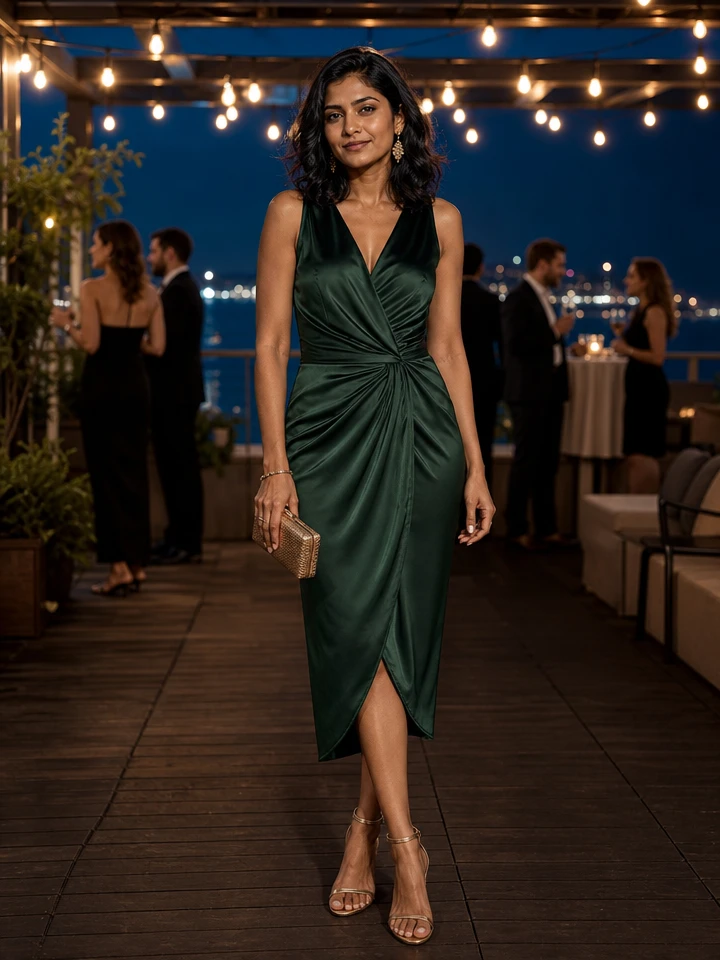 | Evening Wear | 6 | A broad term for elevated attire for an evening event, typically meaning Cocktail Attire or Semi Formal. | Anything after six with no level named. A dressier Cocktail unless the venue argues upward. |
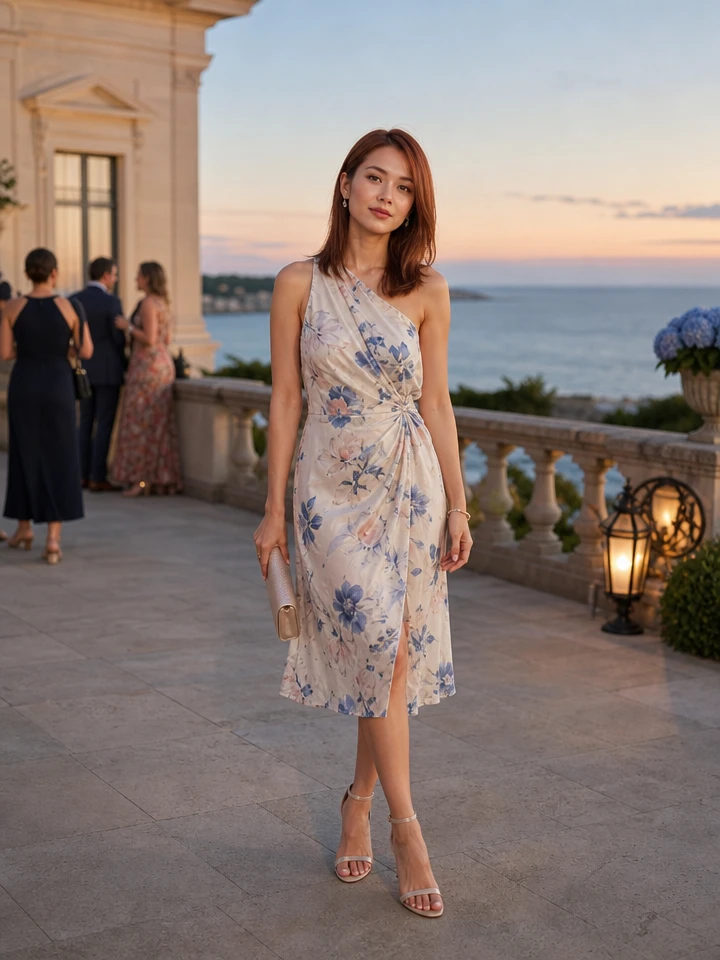 | Summer Cocktail | 6 | A festive, polished, party ready look with a focus on light colors and breathable fabrics for the warm months. | Marquees, vineyards and gardens in warm months. Lighter cloth and lighter colour at the same formality. |
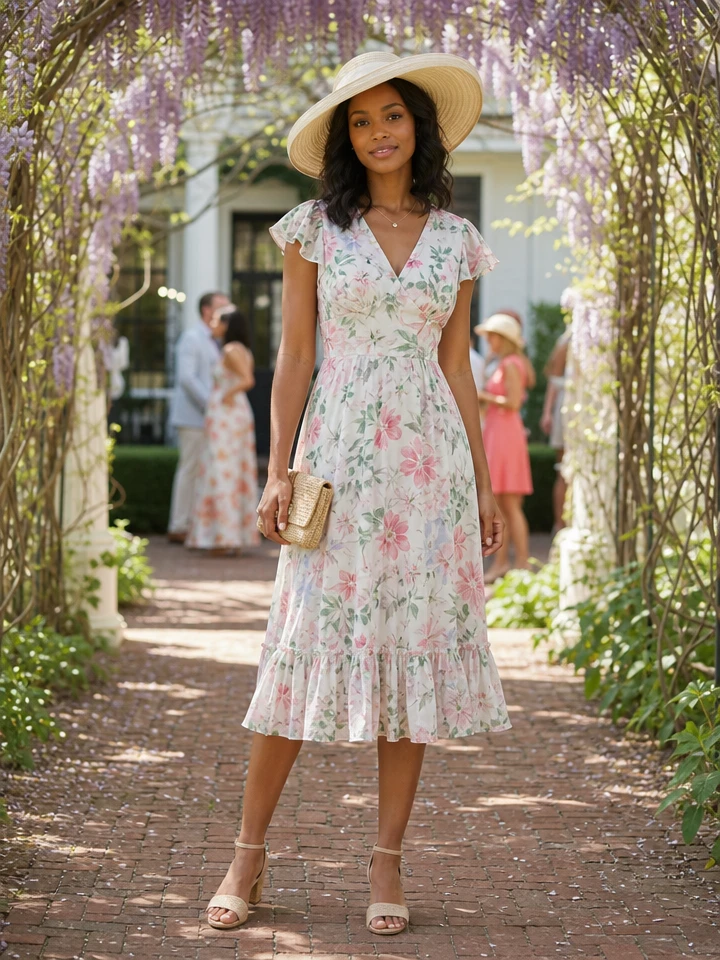 | Garden Party | 5 | Light, elegant, and decorative attire suitable for a formal, sophisticated outdoor daytime event. | Daytime outdoor weddings on grass. Choose the shoe for the ground before you choose it for the outfit. |
Which one you need
- The invitation says Black Tie Optional
- Black Tie Optional
- The invitation says Black Tie and nothing else
- Black Tie
- The invitation names no code and the reception is in the evening
- Semi Formal
- The invitation names no code and the wedding is outdoors in summer
- Summer Cocktail
- The wedding is abroad and on or near a beach
- Beach Formal
- The wedding is a daytime church service in Britain or Ireland
- Morning Dress
- The invitation says Lounge Suit
- Lounge Suit
- The couple asked for something relaxed but the venue is not
- Elegant Casual
- The invitation is in Italian and says Abito Scuro
- Abito Scuro (Dark Suit)
- The invitation is in French and says Tenue de Ville
- Tenue de Ville (City Dress)
- The wedding is at a resort and the reception is the dressiest night
- Resort Formal
- The invitation says Black Tie and asks for a creative twist
- Creative Black Tie
- The wedding is on an estate, on a farm or in wine country
- Country Formal
- The invitation says Summer Formal
- Summer Formal
- The invitation says Dress to Impress
- Dress to Impress
- The invitation says Evening Wear and names no level
- Evening Wear
- The wedding is in a city and the crowd is fashion led
- Formal Chic
Frequently asked
What do you wear when the invitation names no dress code at all?
Read the time and the venue instead. An evening reception at a hotel or a function room reads as Semi Formal, so a dark suit or a cocktail length dress will be right. A daytime wedding outdoors reads as Summer Cocktail or Garden Party, so lighter cloth and a shoe that copes with grass. A wedding at somebody's home or a small register office reads a step below that again. When two readings are possible, take the dressier one. Nobody has ever been remembered badly for looking slightly too considered at a wedding.
Does Black Tie Optional mean a normal suit is acceptable?
It means a very dark suit is acceptable, which is not the same thing as a normal one. Charcoal or navy so dark it reads as black, a white shirt, a plain tie and black leather shoes will clear it in any market. A mid grey suit, a patterned shirt or a brown shoe will not. The word optional is there to spare guests the cost of hiring a dinner jacket, not to lower the formality of the room, so read it as the floor of Black Tie rather than the ceiling of Business Formal.
Is any white allowed for a wedding guest?
A white shirt under a suit is fine and always has been. What is off limits is an outfit that reads as white or ivory from across a room, including cream, a blush that photographs pale, and a heavily white pattern on a light ground. The test is the photograph rather than the fabric swatch. If a picture of the outfit could be mistaken at a glance for the person getting married, choose something else. The same caution applies to a colour the couple has named for the wedding party.
What shoes work for an outdoor wedding?
Ask what the ground is before you ask what the outfit is. Grass, gravel, sand and decking all defeat a stiletto within minutes, and a guest carrying their shoes by the second hour is the commonest sight at an outdoor reception. A block heel, a wedge, a smart flat, a loafer or a leather sandal all read correctly at Summer Cocktail, Garden Party and Beach Formal, and all of them survive a lawn. Take the shoe you can stand in for six hours, because the ceremony is the short part of the day.
Can a guest be overdressed at a wedding?
Barely, and never in a way that matters. A guest one step above the named code reads as somebody who took the day seriously. A guest one step below reads as somebody who did not, and that is the only version of this mistake anybody remembers. The genuine limit is anything that competes for attention with the couple, so a floor length white gown, a train, a veil or an outfit built to be photographed alone are the real errors. Short of those, when you are unsure between two codes on this page, wear the more formal one.
The other occasions
- Office Dress Codes
Twelve codes that workplaces use to describe the same wardrobe at twelve different settings. What each one asks for, and how to work out which one your own office actually runs.
The DressDex letter
One note when a code changes or a new edition lands. No more than that.