SUMMER FORMAL · AUSTRALIA · FORMALITY 8 OF 10
Summer Formal
Formal dressing for a Southern Hemisphere summer, so December and January weddings and balls carried by tropical weight cloth and lighter colour.
Formality
Sits in the formal band of the scale.
Quick answer
Summer Formal in Australia describes the peak of the social calendar rather than an exception to it, because the formal season runs from December to February. High end weddings, debutante and charity balls, and outdoor gala evenings all fall inside it. The code keeps the standard of Formal and changes the cloth, so a tropical weight wool or wool mohair dinner jacket for evening, a light coloured formal suit for daytime, and silk, silk crepe or chiffon for a dress. Two Australian constraints do the real work. Heat means a heavy lined jacket is unwearable at an outdoor reception, and ultraviolet levels are high enough that shade, a hat at a daytime event and covered shoulders are practical rather than fussy.
Everything below is written for the tab you pick, including the mistakes, the fabrics and the questions.
What to wear
Look plates
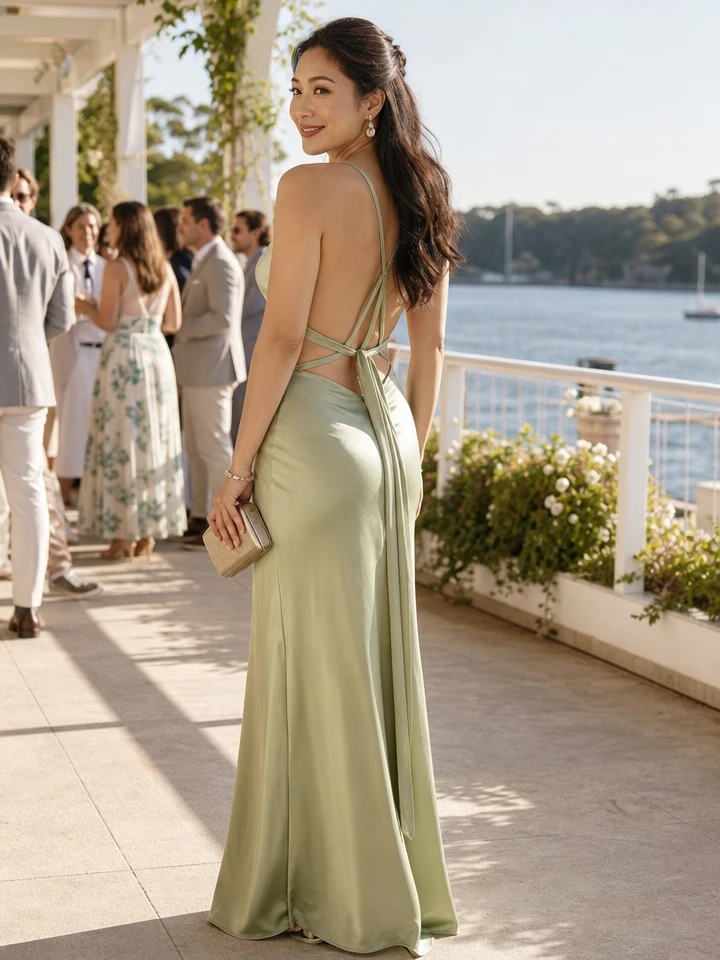
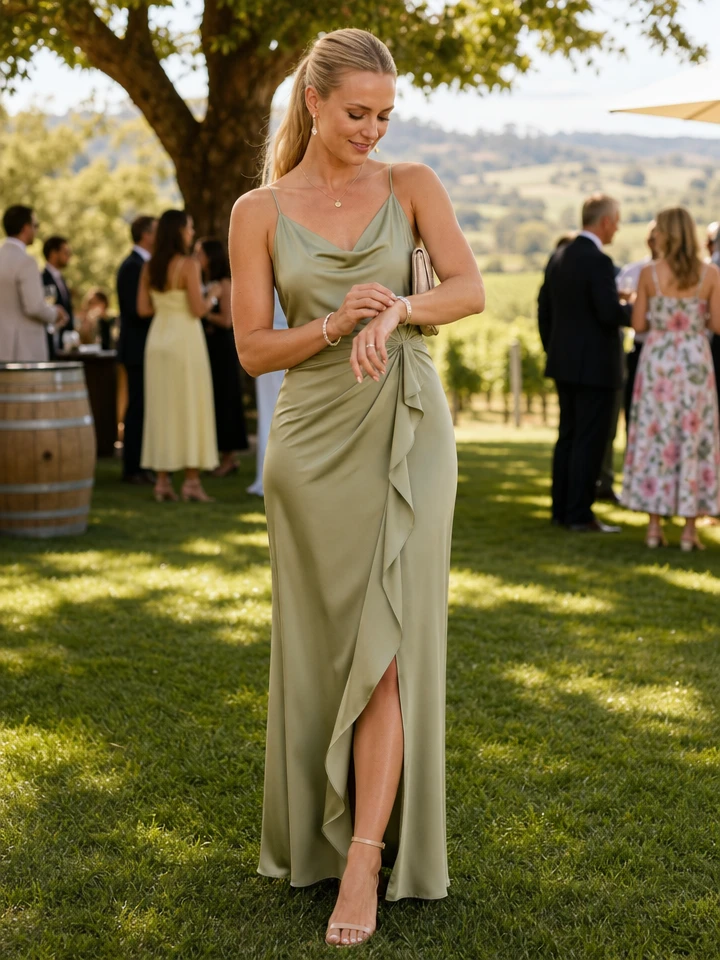
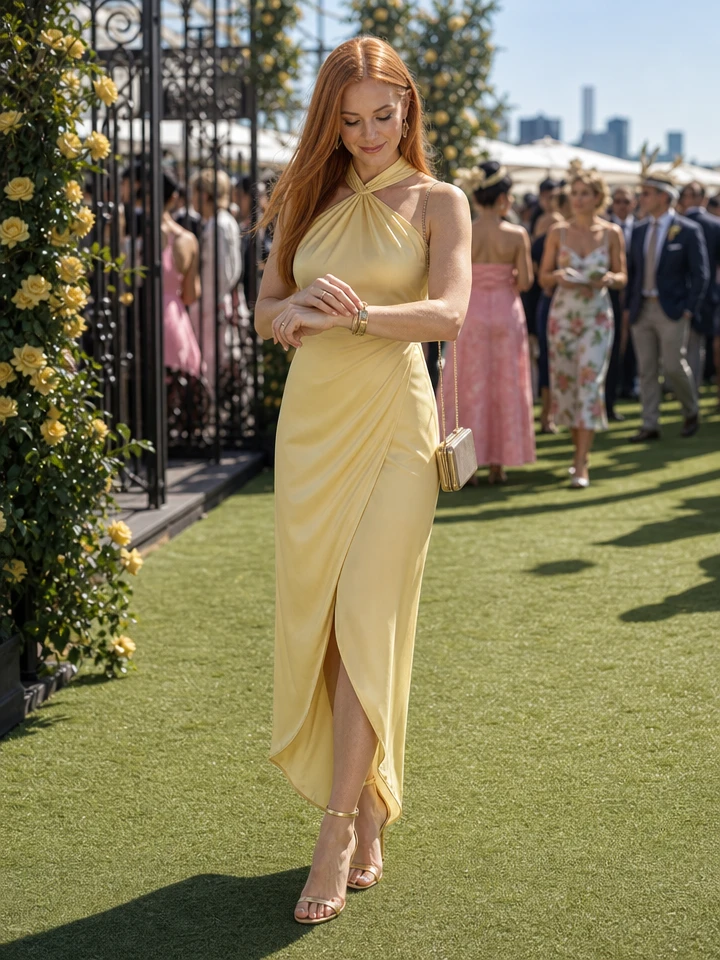
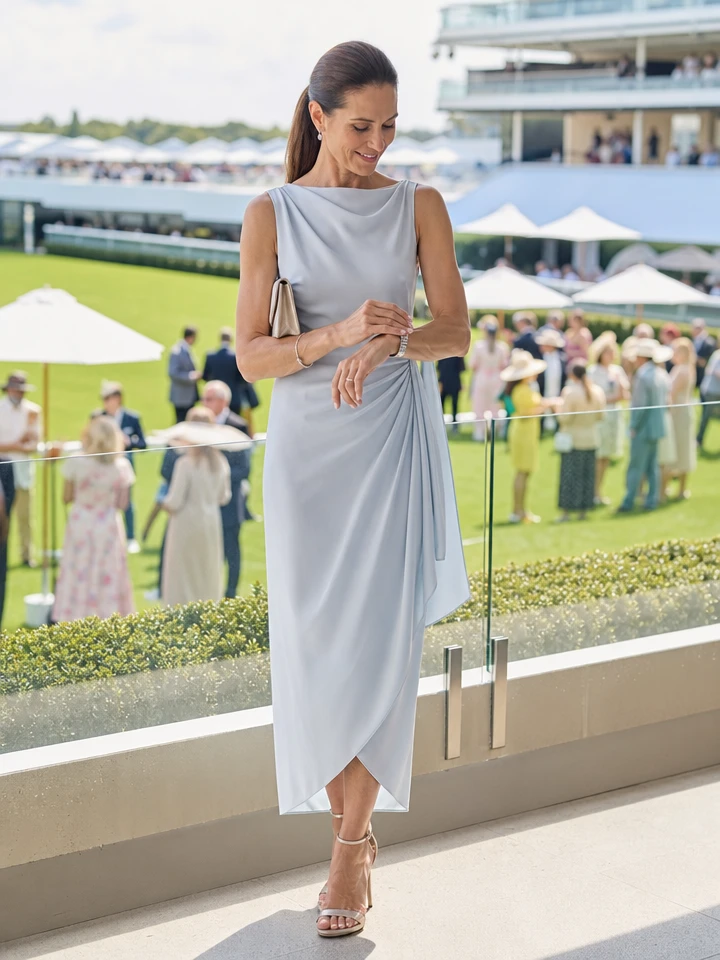
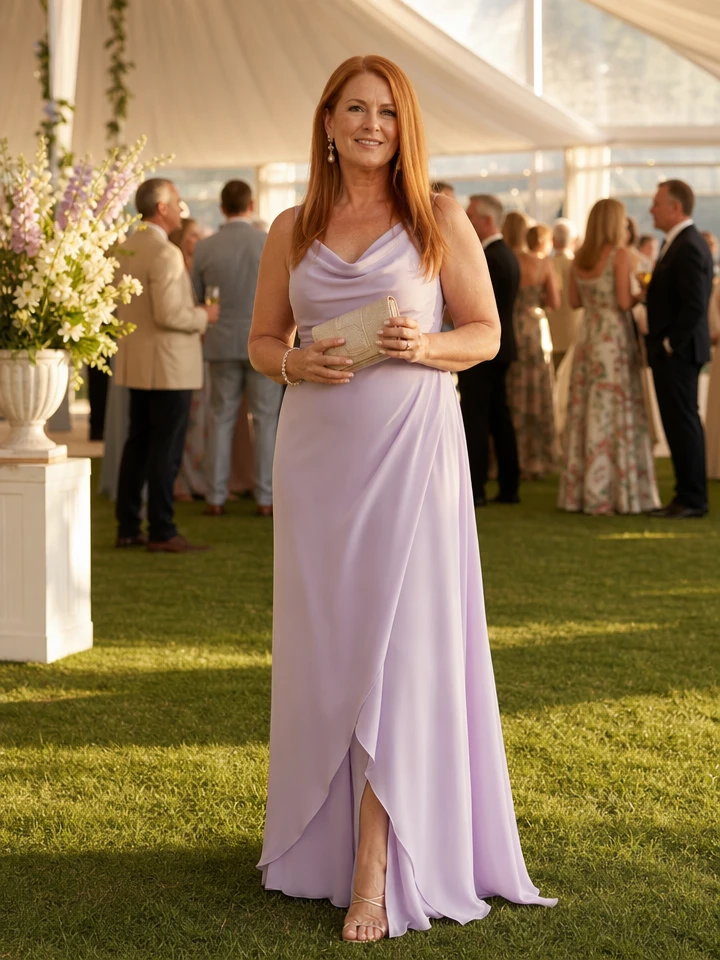
Feminine Presenting
A formal, floor length evening gown or an elegant, high end midi length cocktail dress. Fabrics should be breathable, such as silk crepe or chiffon.
Arrow keys or a swipe
Look plates
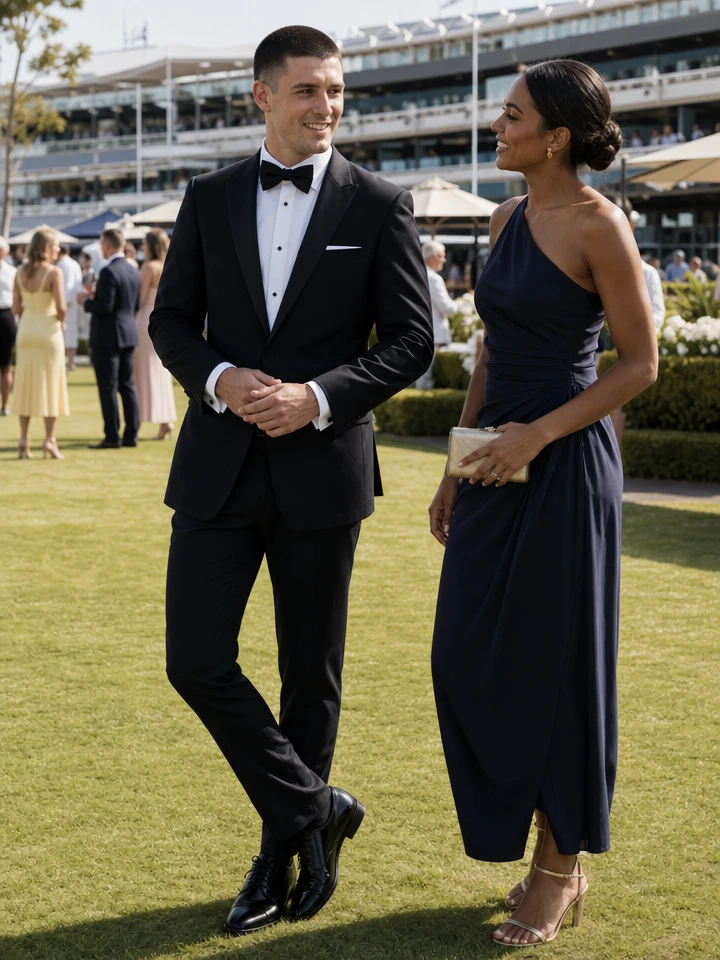
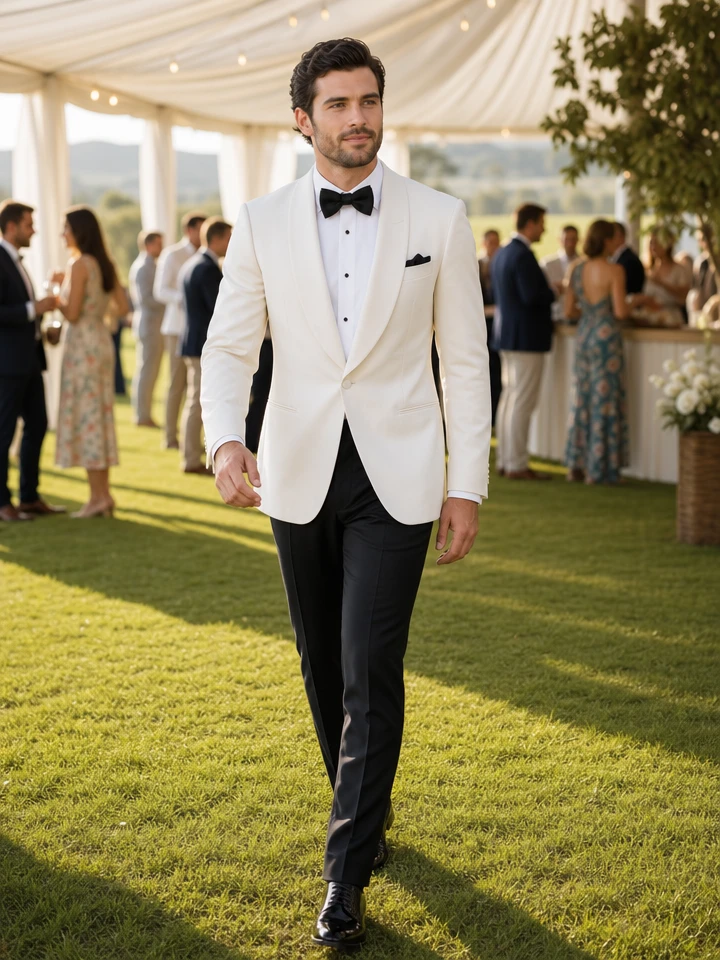
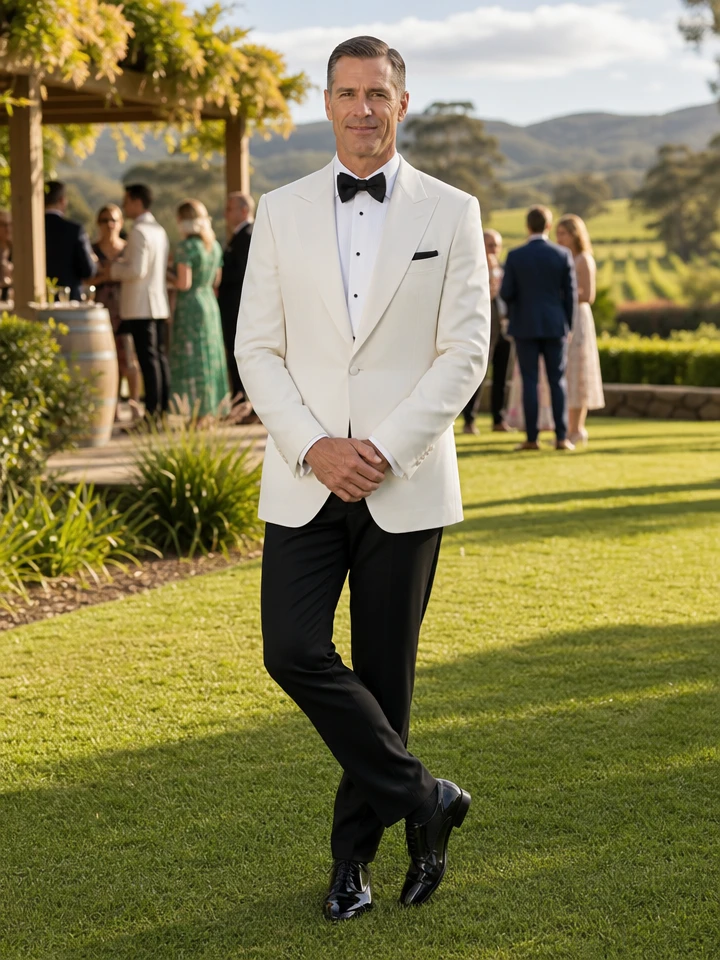
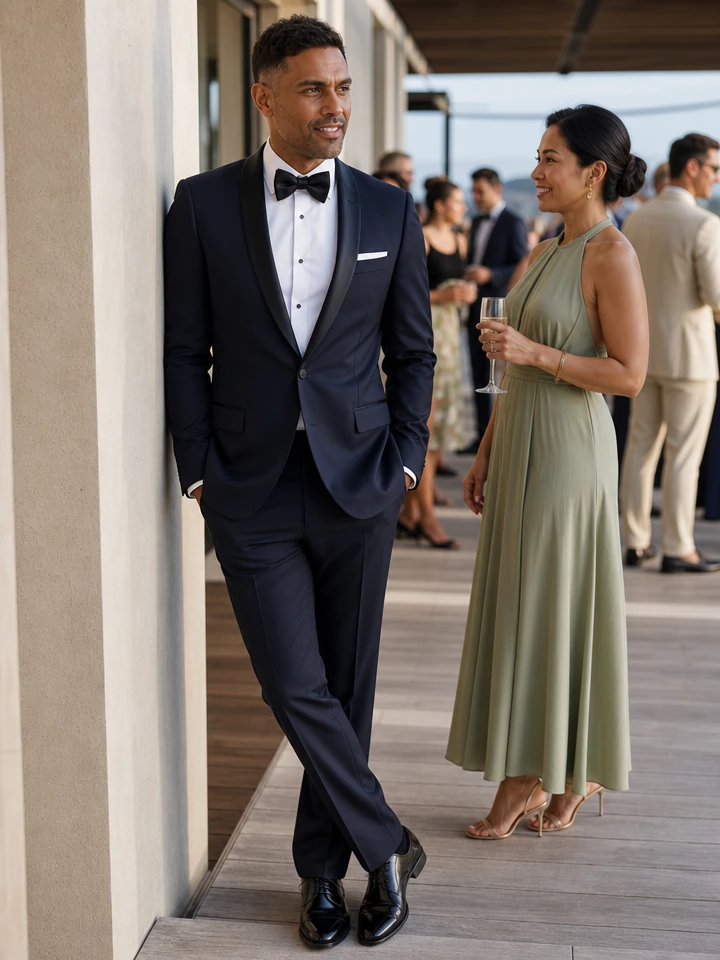
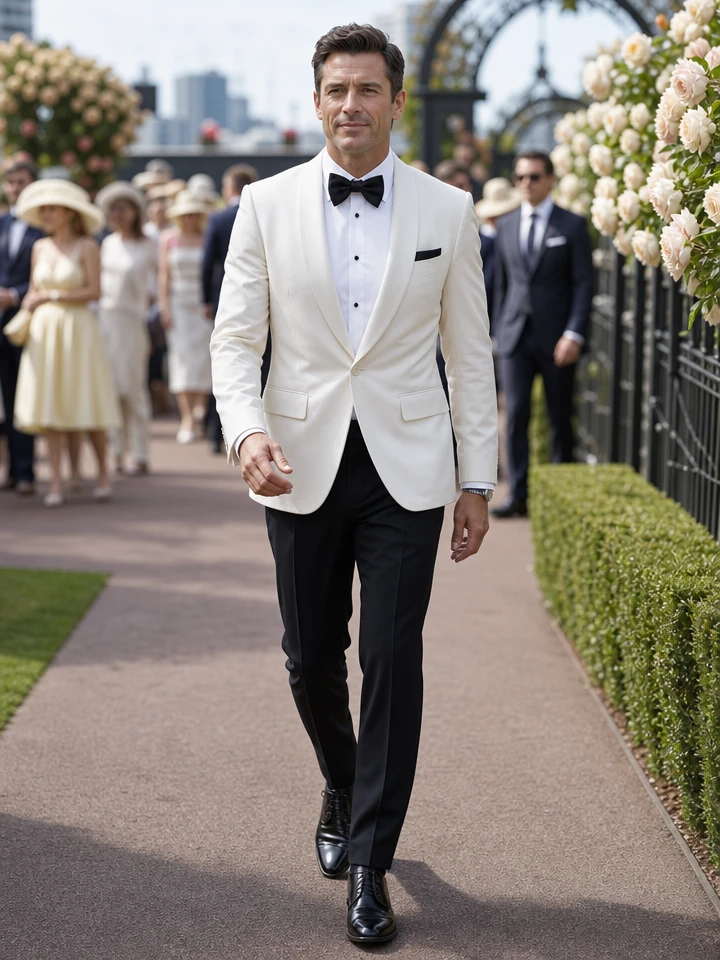
Masculine Presenting
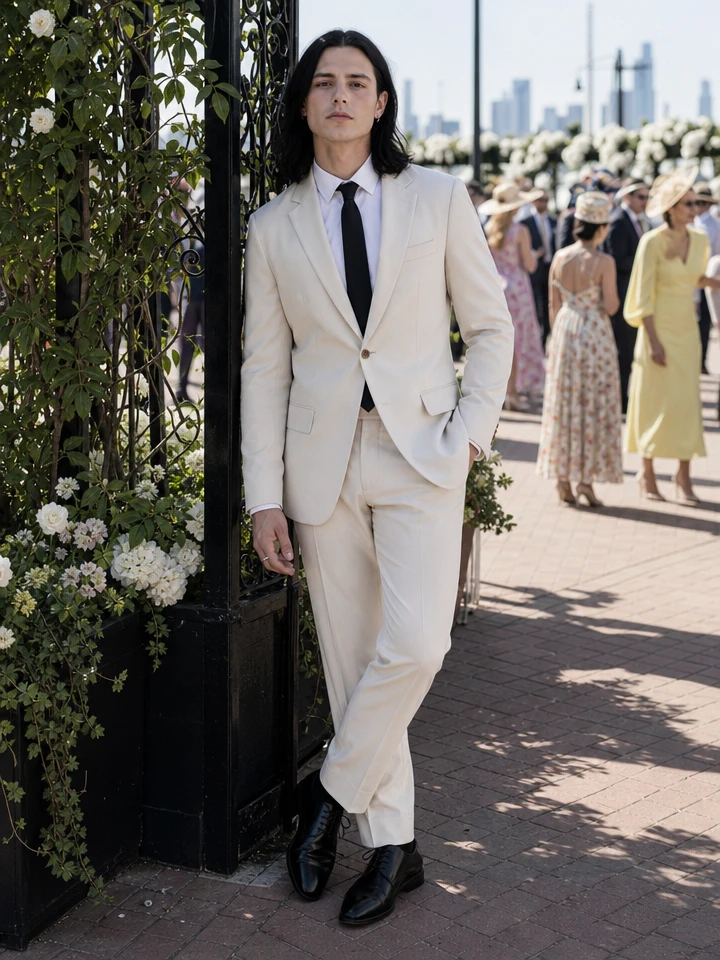
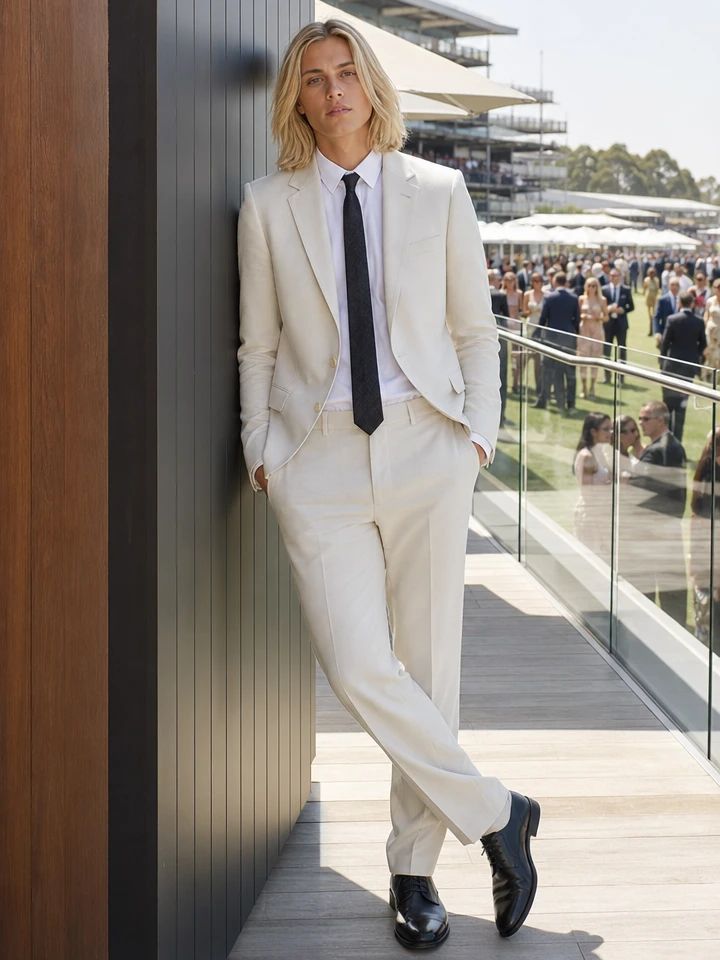
A dark tuxedo (for evening) in a lightweight wool blend, or a formal dark suit. For daytime, a light coloured formal suit (e.g., light grey, beige) with a tie is acceptable.
Arrow keys or a swipe
Look plates
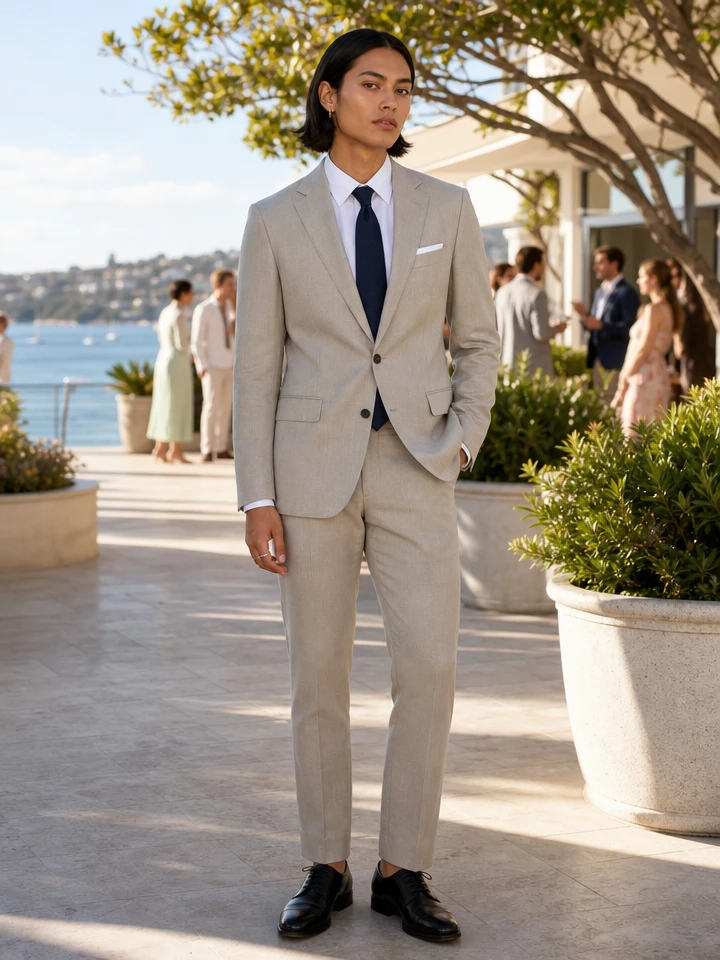
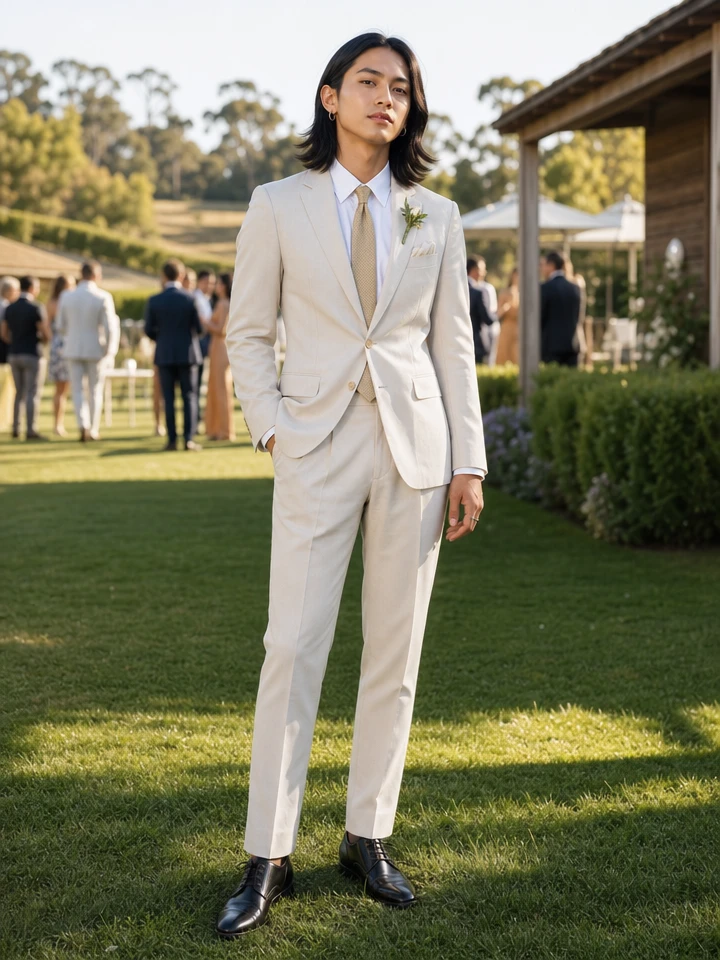
Gender Neutral
A formal gown or a perfectly tailored suit ensemble in light, high quality fabrics. Maintain the highest level of polish.
Arrow keys or a swipe
Common mistakes
FEMININE
Heavy fabrics like velvet, wool, or brocade that are unsuited to warm weather. Casual sundresses, overly short hemlines, or anything that reads as daywear. The look should feel formal and celebratory, not like a garden party or beach outing.
MASCULINE · GENDER NEUTRAL
Heavy winter weight suits, casual shirts, jeans, trainers, or anything that looks like standard business attire. Even though the season allows lighter colours, the overall formality level must remain high. Avoid going without a tie unless the invitation specifically permits it.
Fabric and colour
FEMININE
Lightweight silk, silk crepe, chiffon, and organza. Colours can be lighter and brighter than winter formal, including pastels, soft metallics, and jewel tones. Floral prints in refined fabrics can work if the overall effect remains elegant and formal.
MASCULINE · GENDER NEUTRAL
Lightweight wool blends, tropical weight wool, or high quality linen silk blends. Lighter colours such as light grey, tan, cream, and soft blue are appropriate for daytime. Evening events still call for darker tones. Shirts should be crisp white or pale blue.
Footwear and accessories
FEMININE
Formal heels, which may include elegant open toe shoes. Clutch bag and fine jewellery.
MASCULINE · GENDER NEUTRAL
Polished black leather dress shoes. A tie (or bow tie) must be worn.
Seasonal
FEMININE
This code is designed specifically for warm weather. Choose breathable fabrics such as silk crepe and chiffon, and opt for brighter or lighter colours than standard Formal attire. Elegant open toe heels and lighter jewellery are practical and appropriate.
MASCULINE · GENDER NEUTRAL
The entire point of this code is the season. Choose lightweight wool blends or tropical weight fabrics for comfort. Lighter suit colours are appropriate for daytime events. A white dinner jacket is a classic option for evening occasions in warm weather.
In Australia
Summer Formal in Australia
In Australia this is not a variation on the formal calendar, it is the formal calendar. The season runs from December to February, which is when the largest share of weddings, debutante balls, charity galas and outdoor formal evenings take place. The code therefore does not carry the apologetic tone it has in the Northern Hemisphere. Tropical weight wool and wool mohair for a dinner jacket, light coloured formal suiting for daytime, and silk, silk crepe and chiffon for a dress are simply the normal way to dress formally here rather than a concession. Two local conditions shape the outfit. The first is genuine heat, which makes a heavy lined jacket unwearable at an outdoor reception and makes the difference between a summer weight cloth and a winter one obvious within an hour. The second is ultraviolet, which is high enough in an Australian summer that shade, covered shoulders and a hat at a daytime ceremony are practical decisions rather than cautious ones. Grass underfoot at vineyard and garden venues completes the case for a block heel.
Frequently asked
What is Summer Formal?
Summer Formal adapts traditional formal wear for warm weather events. It maintains a high level of polish while using lighter fabrics, lighter colours, and seasonal styling. Think linen suits, pastel gowns, and breathable fabrics without sacrificing elegance.
Can I wear a light coloured suit to a Summer Formal event?
MASCULINE · GENDER NEUTRAL
Yes. Light grey, tan, cream, or soft blue suits are appropriate for Summer Formal, especially for daytime or outdoor events. Pair with a crisp shirt and polished shoes. Dark colours still work but lighter tones suit the seasonal spirit.
Are open toed shoes acceptable for Summer Formal?
FEMININE
For women, elegant heeled sandals or dressy open toed shoes are perfectly appropriate. For men, closed toe shoes remain the standard. Loafers in suede or lighter leather can work as a seasonal alternative to Oxfords.
Can I wear a maxi dress instead of a gown?
FEMININE
A maxi dress can work if it is made from a formal quality fabric such as silk, satin, or crepe. The cut should feel evening appropriate rather than casual. Pair with elegant heels and refined accessories to maintain the formal standard. A flowing sundress style maxi is too casual.
Can I skip the jacket in warm weather?
MASCULINE · GENDER NEUTRAL
For evening events, the jacket should be worn throughout the formal portion of the evening. For daytime Summer Formal events, some hosts may allow jackets to be removed during the meal or reception. If in doubt, keep the jacket on until the host signals otherwise.
Is Summer Formal the normal formal standard in Australia?
Effectively yes, because the formal calendar runs through the Southern Hemisphere summer from December to February. Weddings, debutante and charity balls, and outdoor gala evenings are concentrated there, so tropical weight cloth and lighter colour are the normal way to dress formally here rather than a concession to the weather.
How do I handle sun at a daytime Australian formal event?
Treat it as part of the dress problem. Ultraviolet levels in an Australian summer are high enough that a daytime ceremony on a lawn is a genuine exposure, so covered shoulders, a wide brim hat where the code allows one, and a seat in shade all matter. Sheer sleeves and a wrap solve the coverage without adding heat.
Where this sits
This code sits in the formal band.
Hosts also file it under the wedding hub.
Related dress codes
From the ledger
- Summer Event Dressing That Stays Cool and Sharp
How to dress for warm weather events without sacrificing style, from garden parties to summer cocktail evenings.
Know a local variation
Dress codes shift between cities and between crowds. If Summer Formal means something different where you are, tell us and we will look into it. Submit a dress code.
The DressDex letter
One note when a code changes or a new edition lands. No more than that.