FORMAL · AUSTRALIA · FORMALITY 8 OF 10
Formal
In Australia, Formal means Black Tie after dark and an immaculate dark suit by day, worked in lighter cloth because the season runs warm.
Formality
Sits in the formal band of the scale.
Quick answer
Australian hosts use this word across a wide range, from charity galas and corporate awards dinners to school formals and formal daytime weddings in Sydney, Melbourne and Brisbane. Read the time of day first. An evening event means black tie in practice, so a dinner suit or a floor length gown. A daytime event means an immaculate dark suit with a tie, or a high end cocktail dress or tailored ensemble. What changes locally is the cloth, because the formal calendar peaks in the Southern Hemisphere spring and summer and a standard weight dinner suit is uncomfortable through much of it. Tropical weight wool and lighter silk are the practical answers. School formals are a distinctive local use of this word.
Everything below is written for the tab you pick, including the mistakes, the fabrics and the questions.
What to wear
Look plates
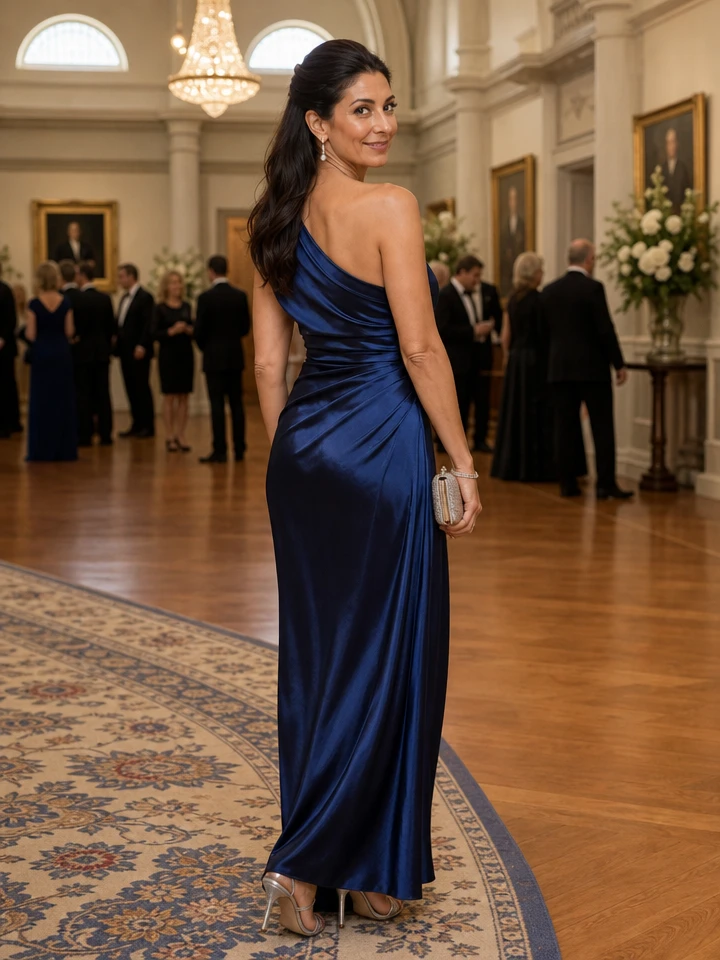
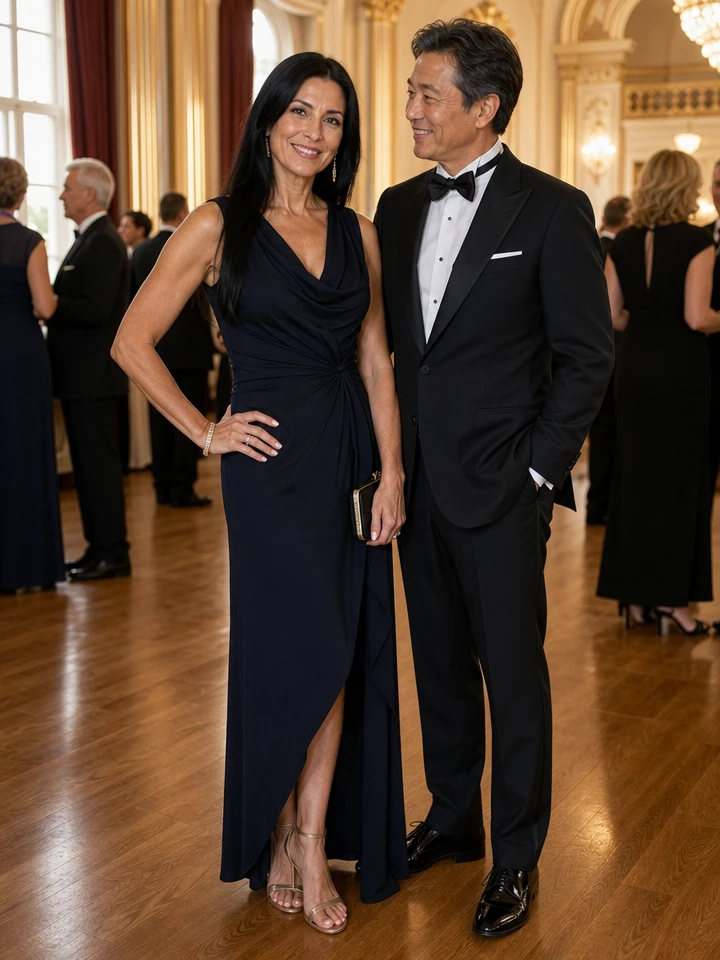
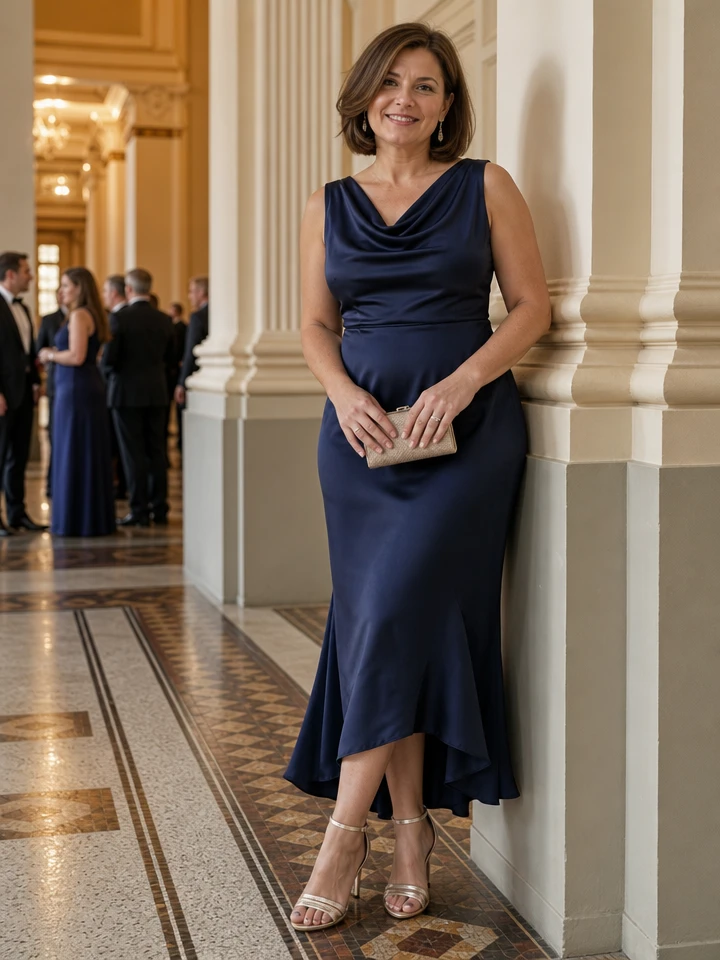
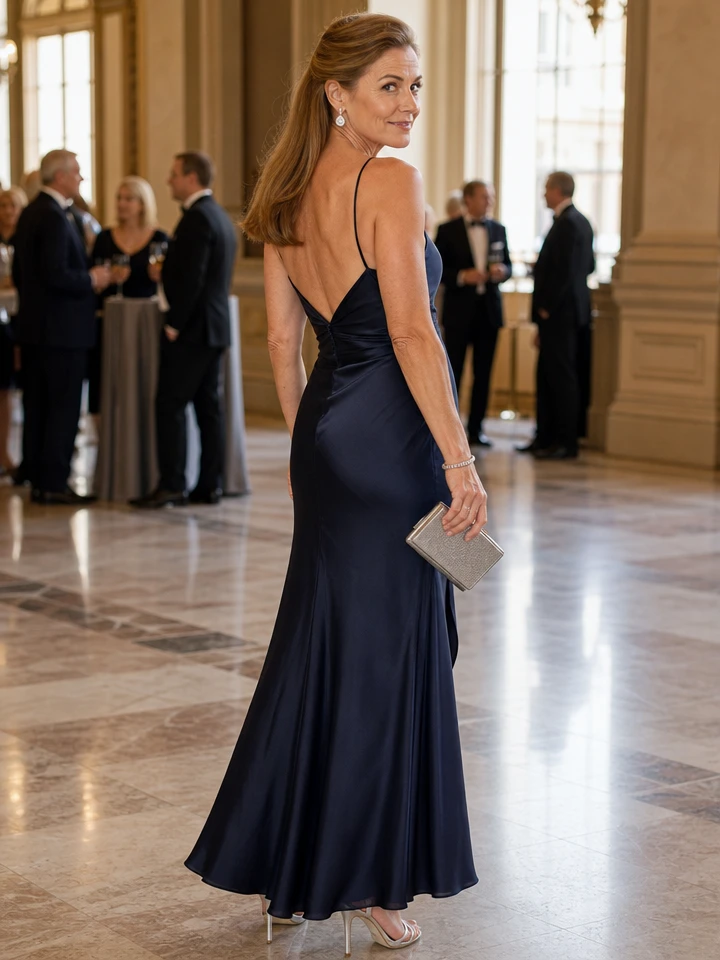
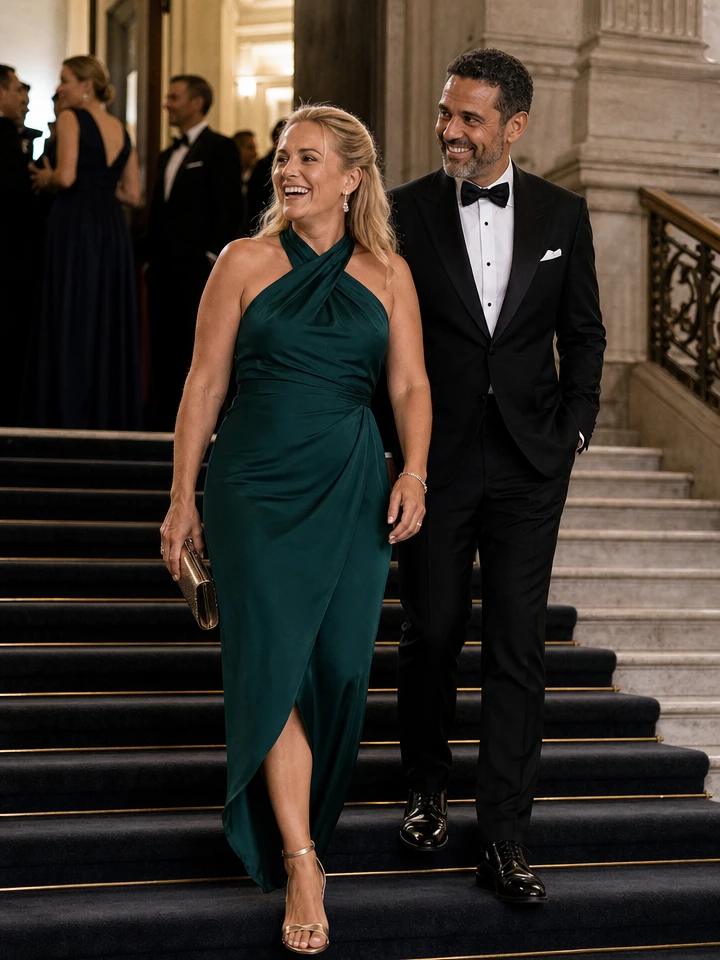
Feminine Presenting
For evening, a long or elegant midi length gown or pantsuit. For daytime, a high end cocktail dress or a tailored suit or dress ensemble.
Arrow keys or a swipe
Look plates
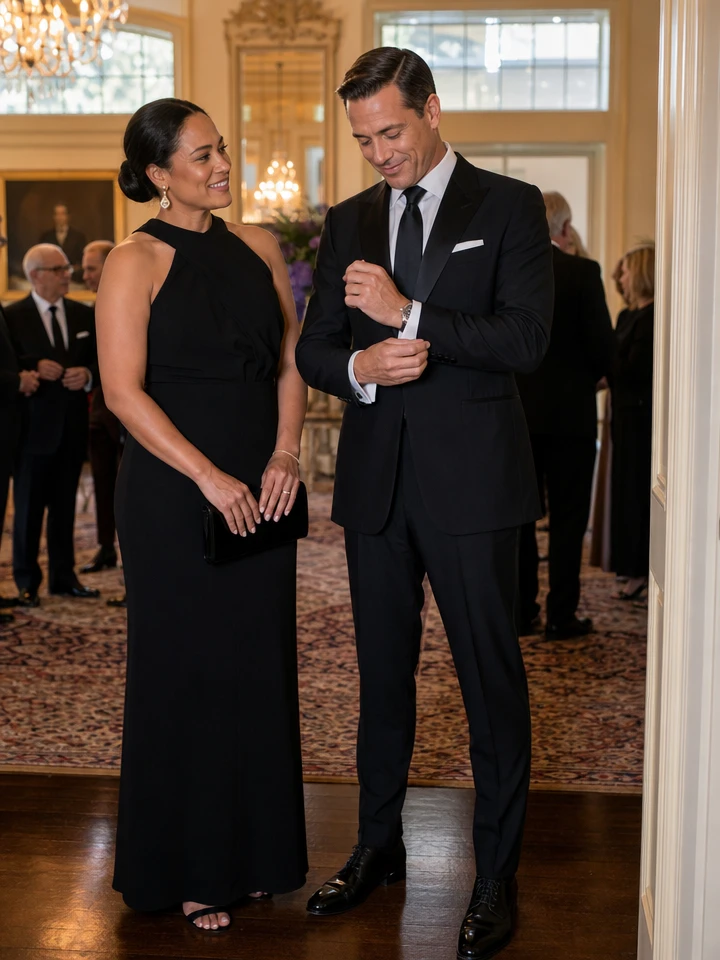
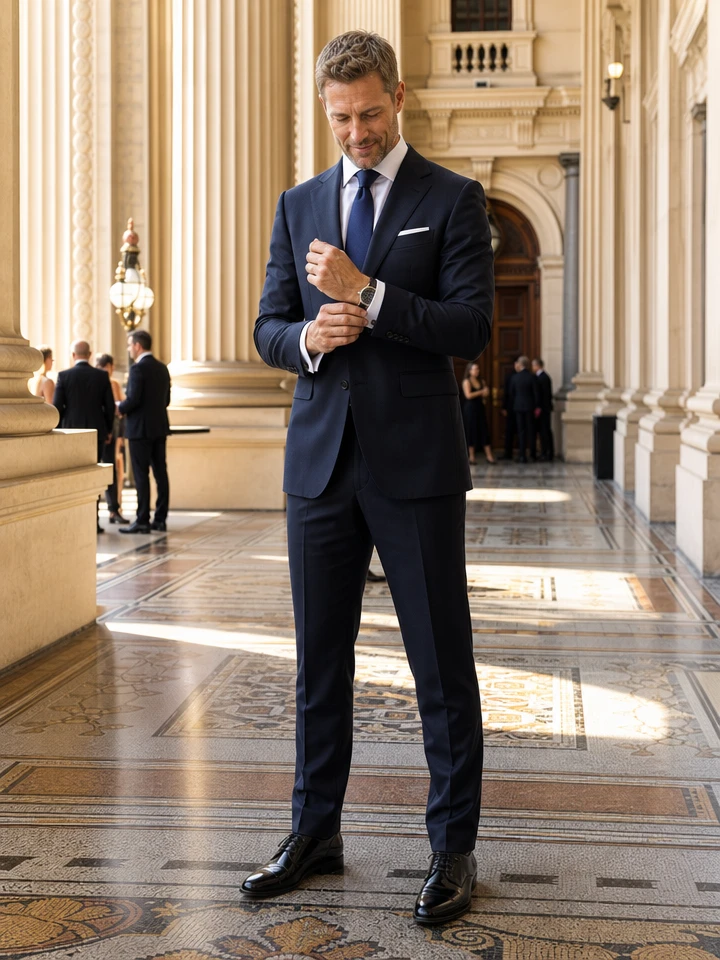
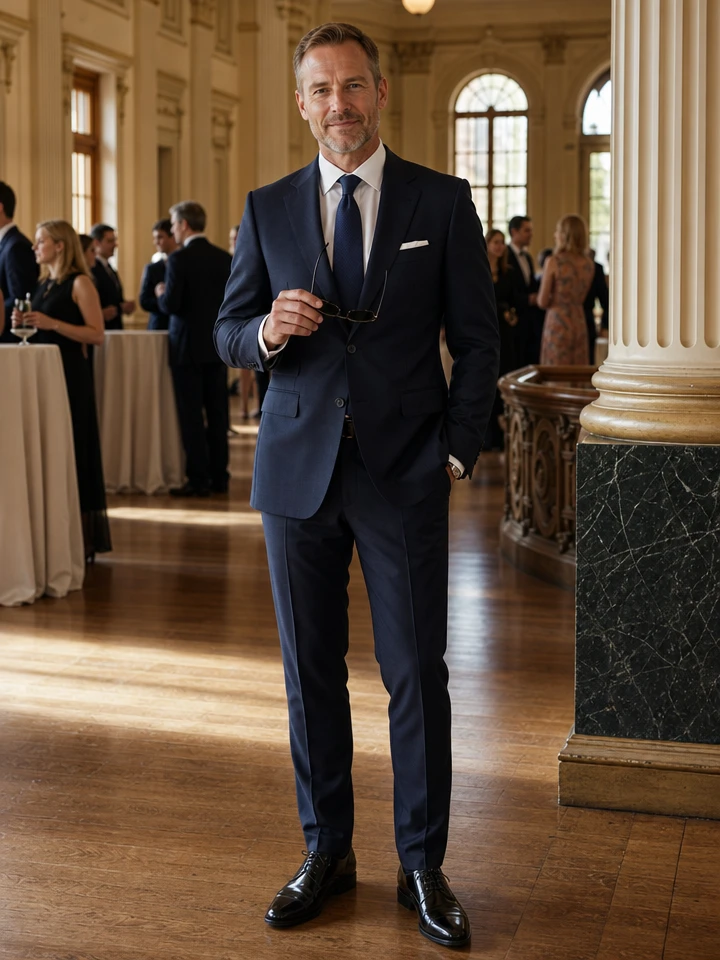
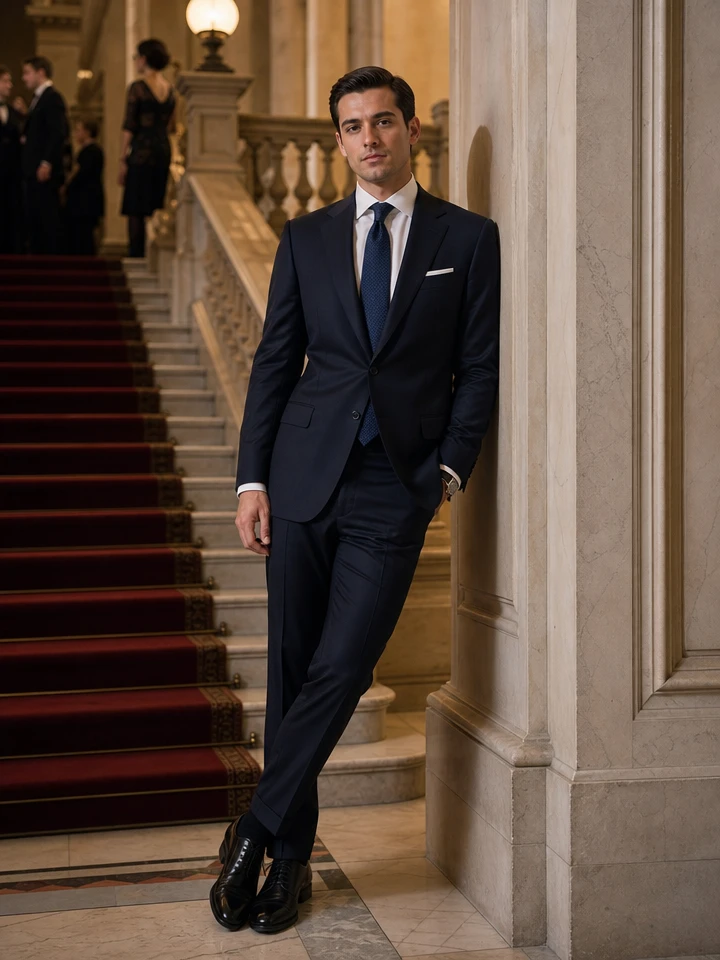
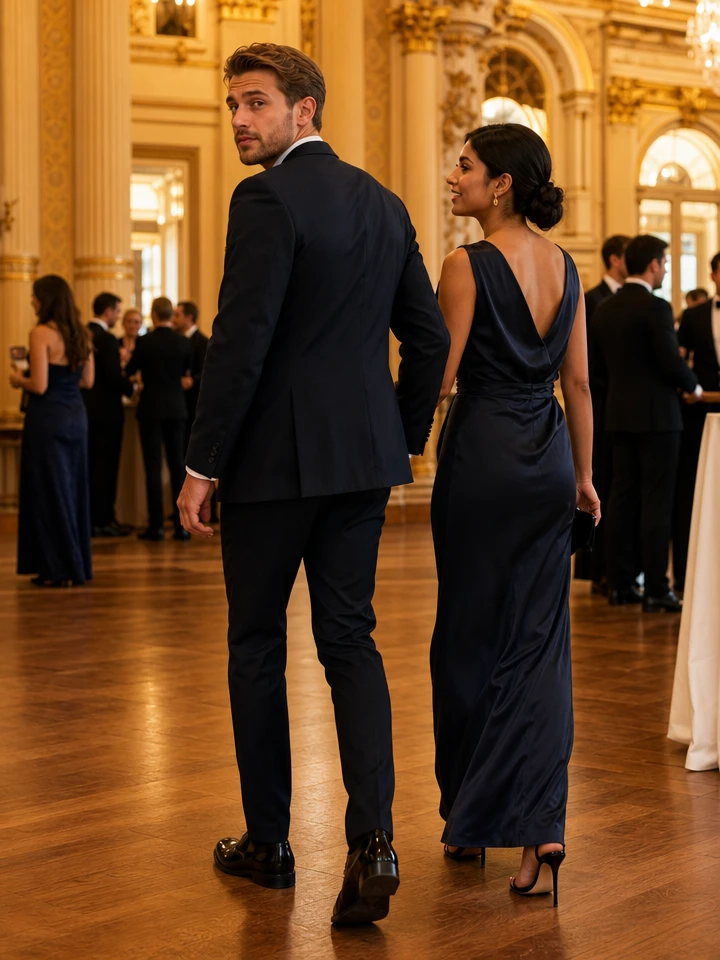
Masculine Presenting
For evening, a tuxedo or a very formal dark suit with a tie. For daytime, a dark, immaculate Lounge Suit in navy or charcoal with a formal shirt and tie.
Arrow keys or a swipe
Look plates
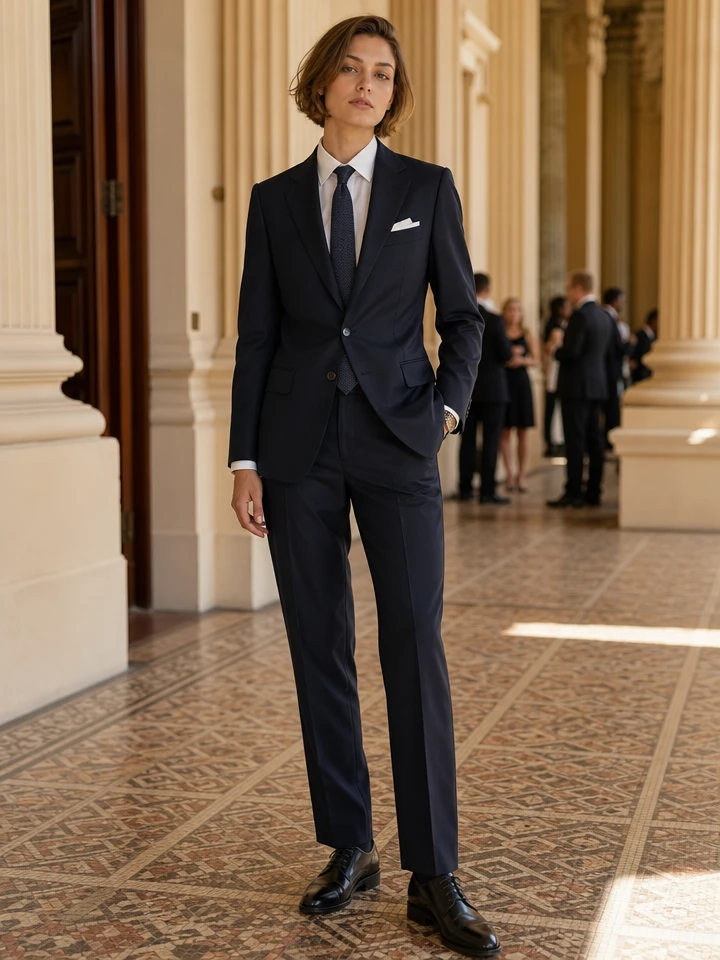
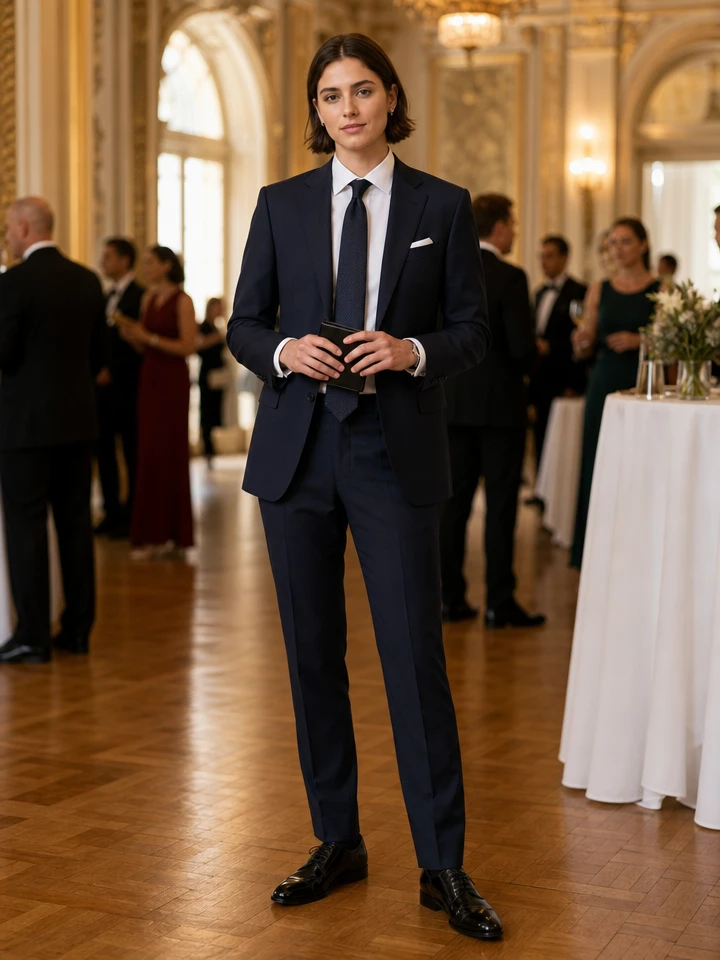
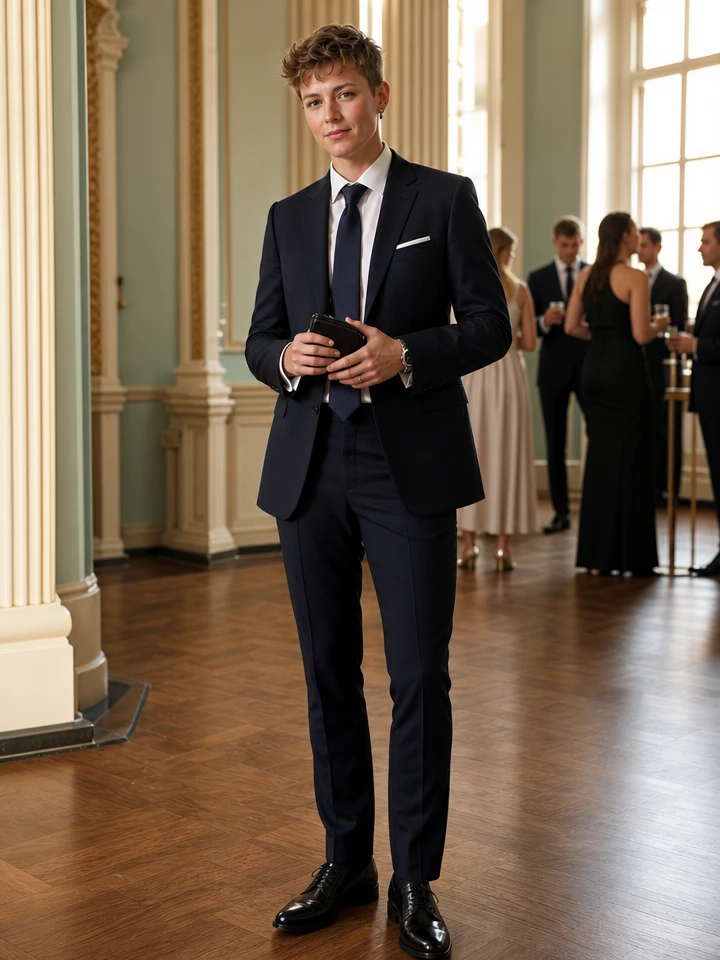
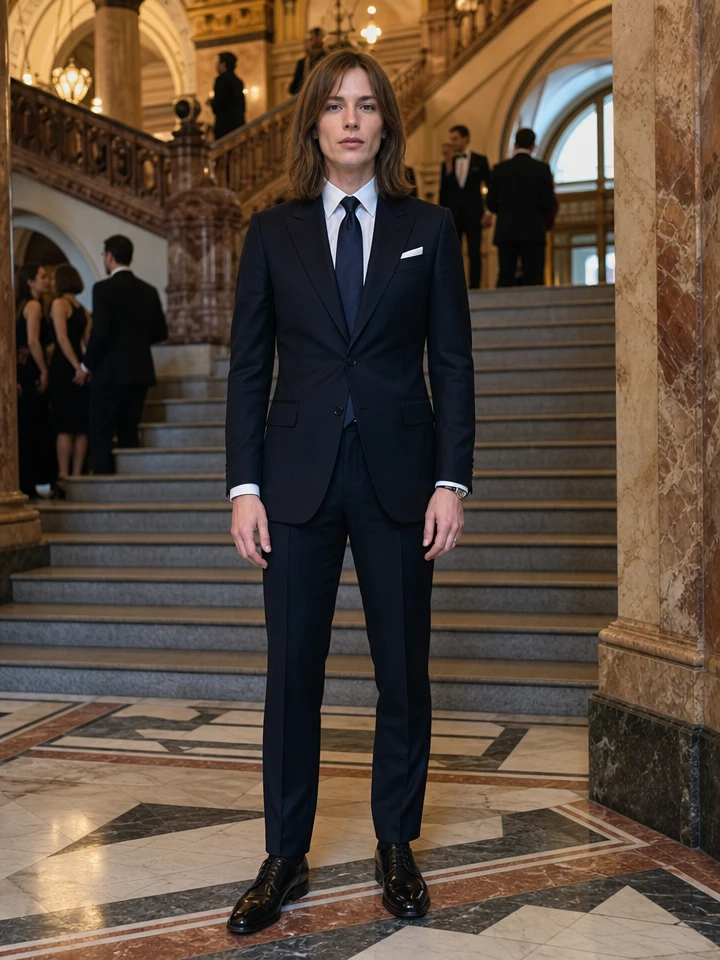
Gender Neutral
A highly tailored, polished ensemble that matches the formality of the equivalent gendered options. Traditional cuts and high quality fabrics are essential.
Arrow keys or a swipe
Common mistakes
FEMININE
Wearing a standard work dress or business separates. Formal events demand a step above everyday office wear. Avoid casual fabrics (jersey, cotton), overly short hemlines, loud prints, and excessive or costume jewellery. A wrap or structured jacket should accompany sleeveless options at conservative events.
MASCULINE · GENDER NEUTRAL
Wearing a regular business suit without elevating it. The suit must be dark, impeccably tailored, and paired with a formal shirt and tie. Avoid light coloured suits, casual shoes (loafers, suede), loud patterns, and open collars. For evening events, a tuxedo is the safest choice.
Fabric and colour
FEMININE
For evening, silk, satin, velvet or fine chiffon in dark or jewel tones. For daytime, structured crepe, fine wool or high quality blends in navy, charcoal, burgundy or classic neutrals. Avoid casual cottons and overly trendy prints.
MASCULINE · GENDER NEUTRAL
For evening, wool barathea or a mohair blend in black or midnight navy at tuxedo weight. For daytime, fine wool suiting in charcoal, navy or black, where subtle pinstripes are acceptable. Shirts must be white or very pale blue cotton, and ties should be silk.
Footwear and accessories
FEMININE
For evening, formal heels or elegant strappy sandals in satin, patent or metallic finishes, with a small clutch bag and fine jewellery. For daytime, closed toe pumps or refined block heels, with a structured handbag in leather or suede.
MASCULINE · GENDER NEUTRAL
Highly polished black leather Oxford or Derby shoes. Evening events may call for patent leather. A tie is required, in silk with a solid colour or subtle pattern. Cufflinks and a quality watch complete the look. A pocket square adds polish.
Seasonal
FEMININE
In the Australian summer, which runs from December to February, lighter silk or chiffon gowns and open toe evening shoes are comfortable choices, and daytime formal allows lighter weight structured fabrics. In winter, from June to August, velvet, heavier silk and a formal wrap or coat are appropriate.
MASCULINE · GENDER NEUTRAL
In the Australian summer, which runs from December to February, tropical weight wool suits or lighter mohair blends are practical for daytime formal, while evening formality remains unchanged. In winter, from June to August, heavier wool suiting, a formal overcoat and darker tones are standard.
In Australia
Formal in Australia
Australia inherited the British reading of this word and then adapted it to the climate, which produces two useful rules. The first is the same everywhere. Read the time of day, treat an evening event as black tie in all but name, and treat a daytime event as an immaculate dark lounge suit with a tie. The second is local. Because the formal calendar peaks between October and April, in spring and summer, a standard weight dinner suit is genuinely uncomfortable for much of it, and tropical weight wool or a wool and mohair blend is the sensible cloth rather than a concession. For feminine looks, silk, fine crepe and chiffon replace velvet for most of the year, and a formal wrap earns its place because ballrooms are cooled hard. The distinctive Australian use of this word is the school formal, held at the end of the school year in November and December, which is a genuinely formal occasion with floor length dresses and dinner suits despite the heat, and it is a rite of passage rather than a party. Many Australian formal venues also open onto a terrace or a garden, so a stable heel and a light layer for after sunset both belong in the plan.
Frequently asked
What's the difference between Formal and Black Tie?
Black Tie specifically requires a tuxedo for men and a formal gown for women. 'Formal' is broader. For evening events it often means Black Tie, but for daytime events it allows a very well tailored dark suit with a tie. When in doubt, clarify with the host.
Can I wear a bright coloured suit to a formal event?
MASCULINE · GENDER NEUTRAL
Generally, no. Formal events call for dark, conservative colours such as charcoal, navy, or black for men. A pop of colour in a tie or pocket square is fine, but a brightly coloured suit risks looking out of place at most formal occasions.
What type of dress is appropriate for a Formal dress code?
FEMININE
A floor length gown is ideal for evening formal events. A sophisticated midi or cocktail length dress also works, particularly for daytime formal occasions. Prioritise structured, elegant fabrics over casual ones.
Do I need to wear a tie to a formal event?
MASCULINE · GENDER NEUTRAL
Yes. A tie is standard for formal attire. A silk tie in a conservative colour or subtle pattern is appropriate. For evening events, a bow tie with a tuxedo is also correct. An open collar is not appropriate.
Are jumpsuits acceptable as formal attire?
FEMININE
A floor length or wide leg tailored jumpsuit in a luxurious fabric (silk, crepe, velvet) can work for formal events. The key is the fabric, the fit, and the overall elegance of the silhouette.
Should my dress be floor length for a formal event?
FEMININE
For evening formal events, floor length is the ideal choice. A sophisticated midi dress can also work, particularly for daytime formal occasions. Above the knee hemlines are generally too casual for a Formal dress code.
Can I wear a dark suit instead of a tuxedo to a formal evening event?
MASCULINE · GENDER NEUTRAL
It depends on the event. If the invitation says 'Formal' for an evening event, a tuxedo is the safest option. A very dark, impeccably tailored suit with a white shirt and silk tie can be acceptable at some events, but you risk being underdressed. When in doubt, wear the tuxedo.
Which Australian occasions use Formal on the invitation?
Charity and corporate galas, industry awards nights, club and association dinners, formal daytime weddings, christenings, university graduation ceremonies and school formals are the main sources. Race day is a separate matter, since Australian racecourses publish their own enclosure requirements and those override any general reading. If the invitation names an evening start and a ballroom, read the word as black tie. If it names a church or a garden in daylight, read it as an immaculate dark suit with a tie.
Is Formal the right code for an Australian school formal?
Yes, and the school formal is one of the most genuinely formal events on the Australian calendar. Held at the end of the school year in November and December, it expects a floor length dress or a dinner suit, and students treat it as a significant occasion rather than a party. Because it falls in early summer, tropical weight suiting and lighter silk are the practical choices. Most schools publish their own guidance, and where they do, that guidance takes priority over any general reading of the word.
Where this sits
This code sits in the formal band.
Hosts also file it under the wedding hub.
Related dress codes
From the ledger
- The Most Misunderstood Dress Codes and What They Actually Mean
Black Tie Optional, Semi Formal, Smart Casual and other dress codes are easy to misread. Learn what the most confusing codes actually ask you to wear.
- How Climate Changes a Dress Code. Australia, Singapore, Dubai, Britain and Canada Compared
The same dress code can look very different in Melbourne, Singapore, Dubai, London and Canada. See how climate changes fabrics, layers and formalwear.
Know a local variation
Dress codes shift between cities and between crowds. If Formal means something different where you are, tell us and we will look into it. Submit a dress code.
The DressDex letter
One note when a code changes or a new edition lands. No more than that.